

Lawn Treatment Norwich: How to Keep Ticks Out of Your Yard Without Chemicals
I’m Steve Bousquet with American Landscape & Lawn Science, and if there’s one thing I hear from families across Norwich, Preston, and Franklin every spring, it’s worry about ticks. I get it. We’re in eastern Connecticut — Lyme disease was literally discovered about 20 miles from here in Lyme, CT. That’s not a coincidence. The tick population in our part of the state is real, and the risk is something our clients think about constantly. I recently came across a video from Consumer Reports that covers some solid chemical-free yard strategies, and it got me thinking about how those ideas translate to what I see out here week in and week out. Most of the advice holds up. But there are a few local wrinkles worth talking through.
Video and screenshots are used for commentary and educational purposes. Consumer Reports is not affiliated with or endorsing American Landscape & Lawn Science.
Why Tick Pressure Is Especially High in the Norwich Area
Eastern Connecticut has some geographic features that make it particularly favorable for ticks. We’ve got a lot of wooded lots, heavy deer populations, and plenty of shaded, damp spaces where ticks thrive. Neighborhoods throughout Norwich, Lisbon, and the surrounding towns tend to have properties that back right up to tree lines, brush, or wetland edges. That’s exactly the kind of transition zone where tick activity is highest.
After 41 years of doing this work, I can say with confidence that the yards with the worst tick pressure aren’t necessarily the most overgrown ones. Sometimes it’s a fairly tidy property with a wooded back edge or a neglected corner near the fence line. Ticks don’t need much. A little shade, a little moisture, and somewhere to wait. That’s the whole game for them. Understanding that is step one for any smart lawn treatment in Norwich.
Build a Barrier Between Your Yard and the Wood Line
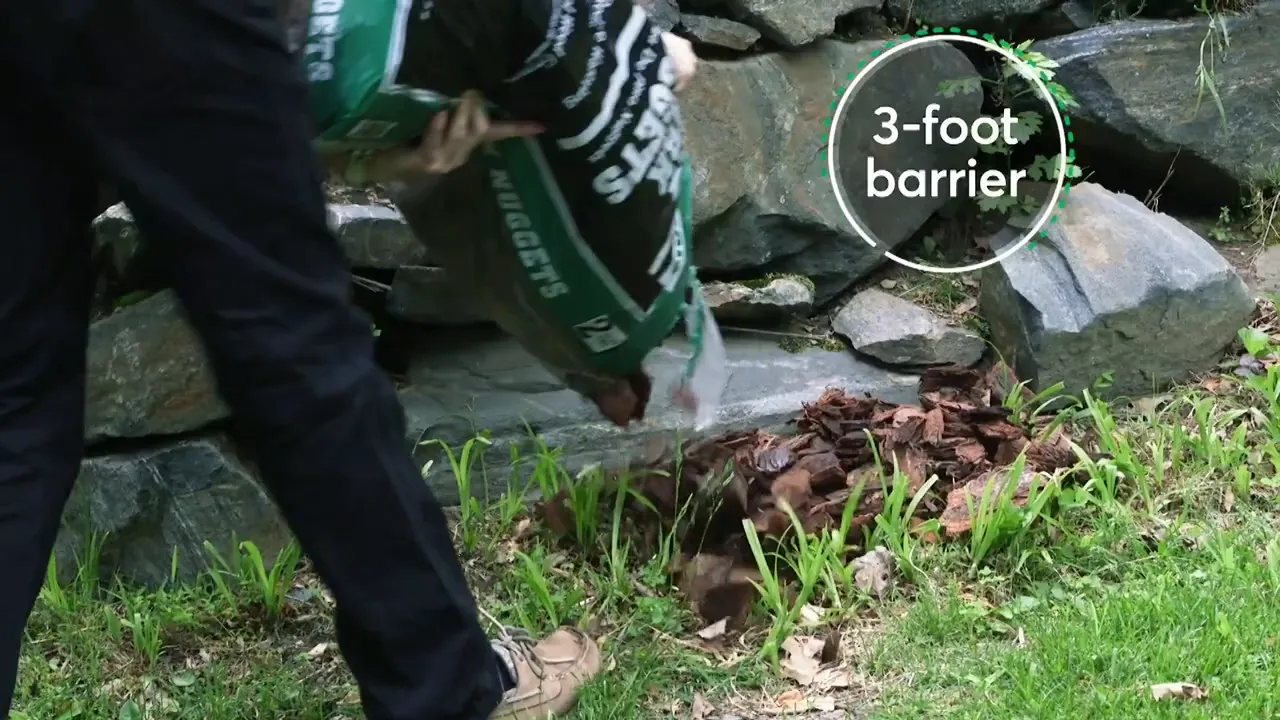
One of the more practical suggestions in the Consumer Reports video is creating a physical barrier between your maintained lawn and the wooded or brushy areas around your property. A three-foot-wide strip of woodchips or bark along that edge can make a real difference. Ticks don’t like crossing dry, open surfaces. It disrupts their movement from the wood line into the spaces your family actually uses.
One thing worth flagging here: do not use shredded mulch for this. Shredded mulch holds moisture and stays cool, which is exactly what ticks want. Stick with woodchips or bark instead. It’s a small distinction, but it matters for whether this actually works or accidentally makes things worse.
Lawn Maintenance That Actually Reduces Tick Habitat
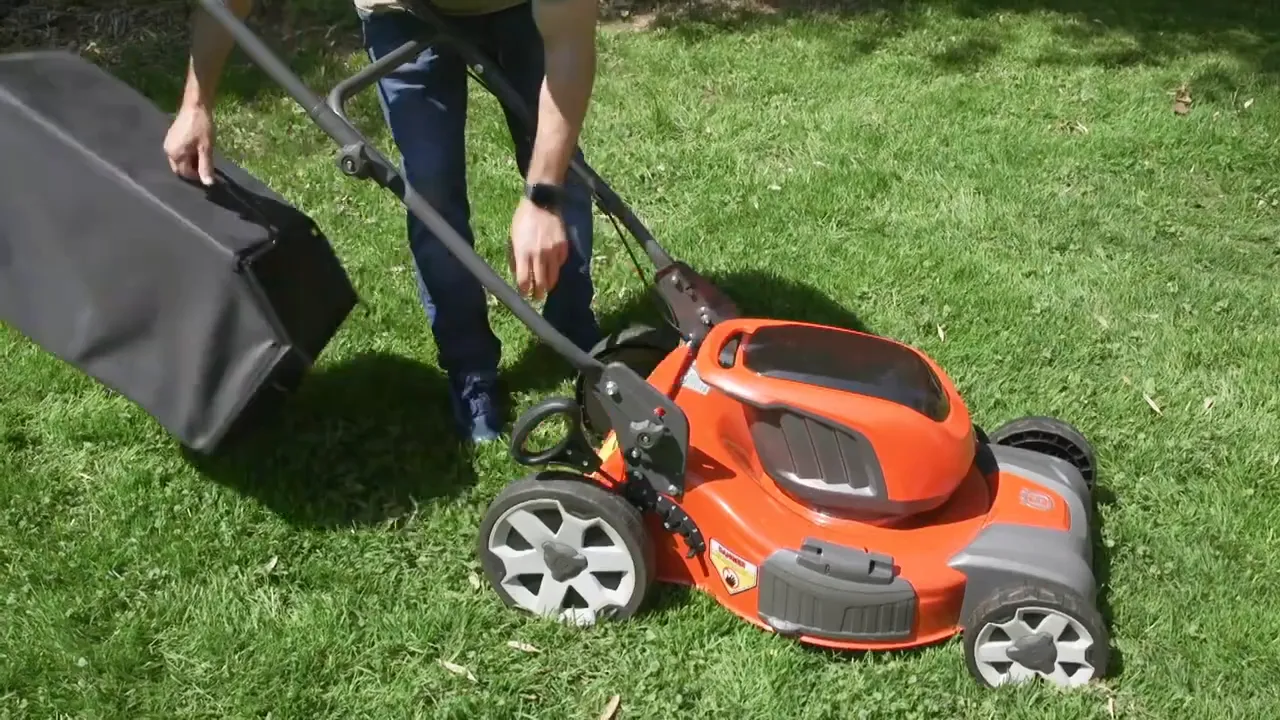
Mowing height is something we talk about with our clients all the time. For tick control purposes, you want to keep grass around three inches. Shorter than that and you start stressing the turf. Leave it taller and you’re giving ticks a shaded place to hang out and quest — that’s the term for when ticks climb up vegetation and wait for a host to brush by.
Beyond mowing, think about the edges and the neglected corners. Tall grass, overgrown weeds, low-hanging branches, and accumulated leaf piles are tick magnets. Leaves in particular. I’ve seen yards that are otherwise well maintained become tick hotspots simply because leaves built up along a fence line or in a shaded corner and nobody dealt with them. Bag your clippings when you mow, clear out the leaf debris regularly, and prune back anything that’s creating a cool, damp microclimate close to the ground.
These things sound simple. They are simple. But they genuinely reduce the habitat ticks depend on, and for families in Norwich and the surrounding towns trying to enjoy their outdoor spaces, that matters.
Protecting Yourself When You’re Out in the Yard
Yard maintenance gets you part of the way there, but personal protection still matters — especially if your property backs up to wooded or brushy areas. When you’re out working in the yard or doing anything near the wood line, long sleeves, long pants, socks, and closed-toe shoes all help. Light-colored clothing is easier to scan for ticks, which makes the post-activity check faster and more reliable.
Consumer Reports recommends a repellent with 25% to 30% DEET concentration based on their testing, and that’s a solid guideline to keep in mind for higher-exposure situations. That personal protection layer pairs well with the yard-side strategies. Neither one replaces the other — they work together.
What to Do the Moment You Come Inside
This is where I see people skip steps, and it’s probably the most important part of the whole routine. When you come in from the yard, especially during peak tick season from spring into fall, shower as soon as you can and throw your clothes directly into a hot dryer. The heat kills ticks that may have hitched a ride without you noticing.
After that, do a full body check. Pay attention to spots ticks like to hide: behind the knees, under the arms, along the hairline. The faster a tick is found and removed, the lower the risk of any tick-borne illness. We’re in eastern Connecticut. That connection to Lyme is real. Taking five minutes after yard time is worth it.

If You Find a Tick Already Attached
Don’t panic, but do act quickly. Get a pair of fine-tipped tweezers and grasp the tick as close to the skin’s surface as you can. Pull straight up with steady, even pressure — no twisting, no jerking. Clean the area and your hands with soap and water afterward. Then keep an eye on it. If a rash develops or you run a fever in the weeks following the bite, contact your doctor and mention the tick exposure. Early treatment matters.
And don’t forget your pets. Dogs and cats pick up ticks easily and can bring them indoors without showing any obvious signs. Including them in your post-outdoor check routine is an easy step that a lot of families overlook until something goes wrong.
Common Mistakes I See Norwich Homeowners Make
Over the years, working with thousands of families across Norwich, Lisbon, Preston, and Franklin, certain patterns come up again and again.
Using shredded mulch along the property edge is probably the most common one. People do it because it’s inexpensive and easy to spread, without realizing they’ve basically built a tick welcome mat. Woodchips or bark are the right choice for that perimeter barrier.
Skipping the leaf cleanup in fall is another big one. Leaves seem harmless. They’re just leaves. But a pile of wet leaves against a fence or under a shrub is a perfect tick overwintering spot, and whatever survives the winter is going to be active again come spring.
The last one is relying on yard work alone and skipping the personal protection steps. You can do a great job maintaining the lawn and still pick up a tick from a brushy hiking trail or a neighbor’s unmaintained property line. The yard strategies reduce your exposure at home. The clothing, the repellent, and the post-activity checks protect you everywhere else.
A Simple Tick-Prevention Checklist for Your Yard
- Place a three-foot barrier of woodchips or bark along wooded or brushy edges
- Avoid shredded mulch in barrier areas — it holds moisture ticks prefer
- Keep grass mowed to around three inches
- Bag clippings rather than leaving them on the lawn
- Trim tall grass, cut back weeds, and prune low-hanging branches
- Clear leaf piles from fence lines, shrub bases, and shaded corners
- Wear long pants, long sleeves, socks, and closed-toe shoes in higher-risk areas
- Choose light-colored clothing so ticks are easier to spot
- Use a repellent with 25% to 30% DEET when needed
- Shower and run clothes through a hot dryer immediately after coming indoors
- Do a full body check — and check your pets too
- Remove any attached tick with fine-tipped tweezers using steady, even pressure
- Monitor the bite area for rash or fever over the following weeks
How Professional Lawn Care Fits Into the Picture
Yard maintenance is the foundation of tick prevention, and that’s exactly why we take it seriously in our lawn care programs here at American Landscape & Lawn Science. A well-maintained lawn — healthy turf, proper mowing height, good airflow — is inherently less hospitable to ticks than a stressed, patchy, overgrown one. Our All-American program also includes a deer tick control treatment applied during peak tick season, which works alongside the program’s chinch bug application. It’s one of the things clients in Norwich and the surrounding area appreciate most once they’re enrolled.
We serve Norwich, Franklin, Lisbon, Preston, and communities throughout eastern Connecticut. If you’d like to talk about what your lawn needs this season, give us a call or request a free lawn evaluation online. We’ll come out, take a look, and give you a clear picture of what we can do.
Reach us at (860) 887-2344 or visit lawnscience.com. Office hours are Monday through Friday, 8AM to 5PM.