

Lawn Care Madison: Why Your Lawn Is Turning Brown and It’s Probably Not Water
Hey, it’s Steve Bousquet here with American Landscape & Lawn Science. Every summer, I get calls from Madison homeowners who are convinced their lawn is dying from drought. They’ve been watering every other day, sometimes more, and the grass just keeps getting worse. I came across a video from Silver Cymbal recently that tackles this exact problem head-on, and honestly, it covers the topic well. But here in Madison and the surrounding Connecticut shoreline communities, there are some local angles worth talking through. The real culprit behind a lot of these struggling summer lawns? It’s usually insects, not a lack of rain.
Video and screenshots are used for commentary and educational purposes. Silver Cymbal is not affiliated with or endorsing American Landscape & Lawn Science.
Why This Matters Specifically for Madison Lawns
Madison, CT sits right along the shoreline, and the properties here have a lot of variety. You’ve got older established lawns near the water, newer developments further inland, and plenty of yards that border woods, fields, or just an untreated neighbor’s property. That mix creates real insect pressure, more so than folks in other parts of the country might deal with.
After 41 years in business, I’ve seen what happens when homeowners in Madison, Guilford, Clinton, and Killingworth water a dying lawn over and over expecting it to bounce back. Sometimes the grass does recover briefly, but then it fades again. That back-and-forth pattern is a pretty reliable signal that insects are involved. Water can relieve stress temporarily, but it doesn’t kill bugs.
The Brown Lawn That Has Green Patches Is Telling You Something
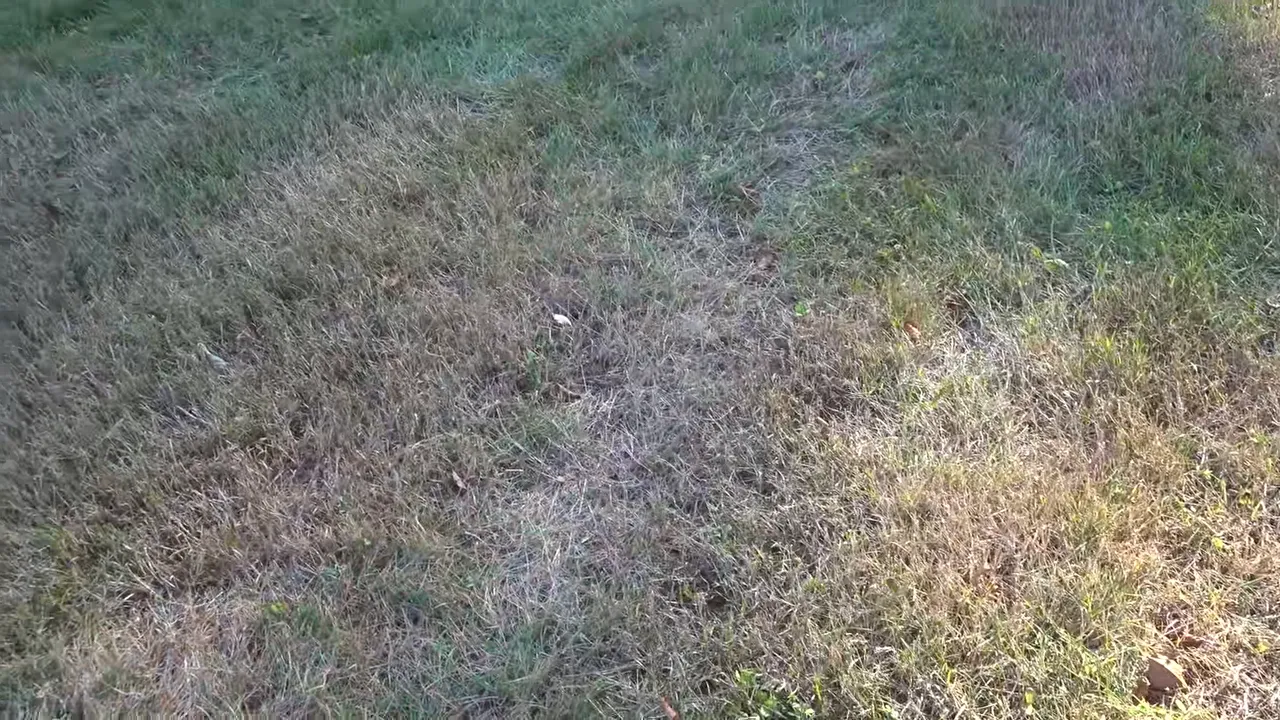
Here’s the diagnostic I always start with. True drought stress tends to be relatively uniform across a lawn. The whole thing goes a little dull and tan at roughly the same time. But when you’re seeing sections of healthy green right next to patches that are crispy and brown or completely dead, that’s a different story.
That uneven, patchy pattern is one of the most consistent signs of insect activity. Some pests are feeding below the soil on the root system. Others are working from the top down on the grass blades themselves. Either way, they hit the lawn in concentrated areas, which is why the damage shows up in irregular patches rather than evenly across the whole yard.
It’s Not Just Grubs Out There
Most homeowners, when they think about lawn insects, think grubs. Grubs are definitely one possibility, and we treat for them regularly in our lawn care programs. But they’re not the only pest worth worrying about. There are insects that attack from below the soil, bugs that feed on the blades above ground, and flying insects that migrate right into the lawn from surrounding areas.
That last one matters a lot around Madison and the broader Connecticut shoreline. If your property is anywhere near a field, a patch of woods, or even a neighboring yard that doesn’t get treated, insects can move in fast. They don’t stop at property lines. I’ve seen this happen hundreds of times where a lawn gets the full program, stays looking great, and then something migrates in from next door mid-summer and starts tearing it apart.
The challenge with diagnosis is that you may not be dealing with one specific pest. Multiple insect types can be present at the same time, which complicates any treatment approach that targets just one bug.

Why Watering More Makes the Problem Worse, Not Better
Once insects are actively feeding on a lawn, extra water isn’t going to stop the damage. It might give the grass a short-term boost in appearance, but the insects keep working underneath. Summer heat compounds everything because the lawn is already stressed from the temperature. When you add active insect pressure on top of heat stress, the grass can decline really fast.
What usually happens is homeowners keep increasing their irrigation schedule and wondering why it isn’t working. By the time they realize it’s bugs, the lawn has burned out further than it needed to. That’s why catching it early makes a big difference. If you stop the insect activity before too much damage stacks up, the lawn still has a fighting chance to recover before the season ends.
A Broad-Spectrum Approach When You’re Not Sure What You’re Dealing With
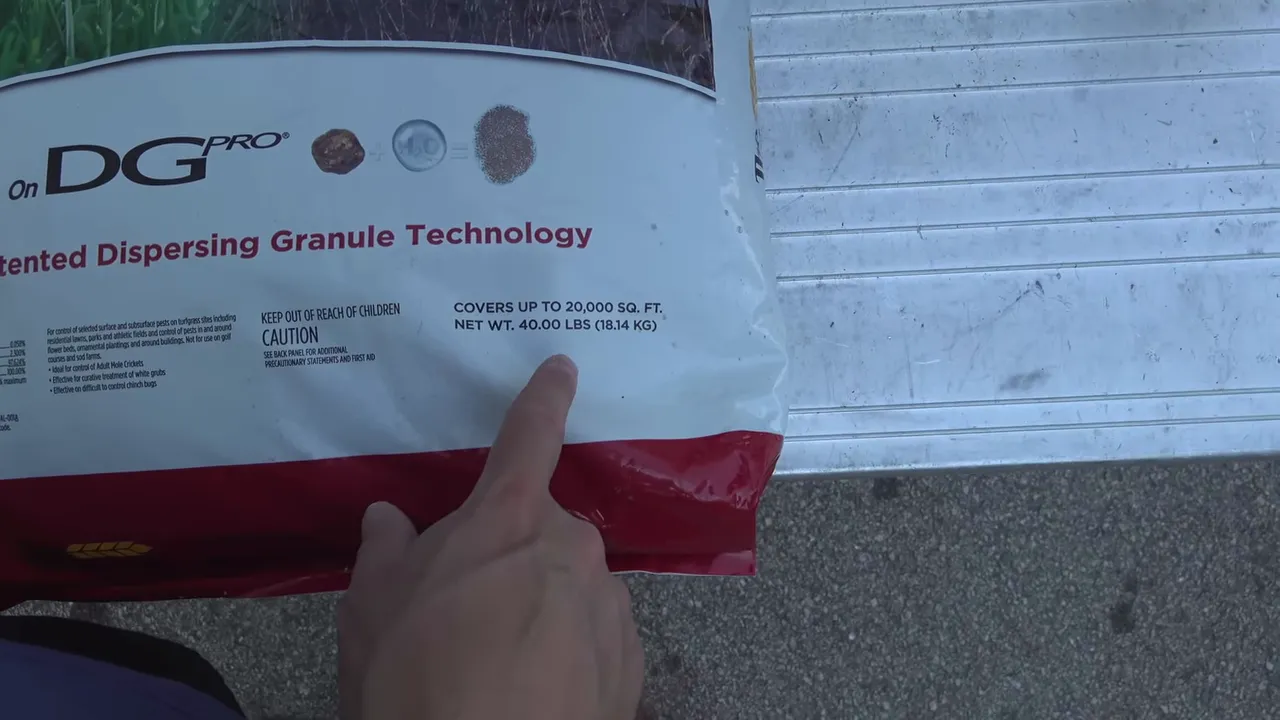
For situations where multiple insects may be involved, a broad insect control product that targets pests both above and below the soil tends to be the most practical option. The video highlights Duocide by The Andersons for exactly that reason. Rather than trying to identify the specific pest before treating, a broad-spectrum granular product covers more ground in a single application.
Application is similar to spreading fertilizer, which makes it manageable for a motivated homeowner. Load the product into a drop spreader, set it per the bag instructions for your specific spreader model, apply evenly, and water it in after. One important distinction from fertilizer is that this product isn’t going to change the color of your turf, so uneven spreading patterns are less of a concern visually. That said, you still want consistent coverage for effective insect control.
Safety and Application Rate: Follow the Label
Any time you’re putting down a pesticide, read the label first. That’s not just standard advice, it’s the rule. The label tells you the target pests, the correct application rate, and the protective equipment required. Proper gear generally includes a respirator, gloves, long sleeves, and long pants. Cutting corners on that isn’t worth it.
As for application rate, most broad-spectrum insect products offer a range. If you’re dealing with clear signs of damage from more than one pest type, a moderate rate is usually appropriate. If you’re using it preventatively, a lighter rate may work. The product also needs to be watered in within about two days of application. Leaving it dry on the lawn surface won’t activate it. Once it’s watered in, it starts working on contact with the insects.
What to Expect After Treatment
The goal of insect treatment isn’t to restore grass that’s already dead. That grass is gone and will need to fill back in over time through healthy growth or overseeding. What treatment does is stop the ongoing destruction so the remaining lawn can stabilize and eventually recover.
After a solid initial treatment, the next steps are straightforward: fertilize appropriately for the season, water consistently, and give the healthy sections of grass time to spread and fill in. That’s the normal recovery path. Stop the cause first, then support regrowth.
The Mistake Madison Homeowners Make Every Single Summer
I’ll be direct about this because I’ve watched it play out too many times. Homeowners see brown grass in July and August and their first instinct is to water more. That’s a reasonable assumption because heat and dry spells are real. But when the damage pattern is patchy, when some areas look great while others are dying, water alone is not the answer.
The professional response, and what our team considers when treating lawns across Madison, Guilford, Clinton, and surrounding towns, is to look at pest pressure as a primary suspect right alongside moisture and fertility. If you are not accounting for insect activity in your summer lawn care routine, you could be watering and fertilizing a lawn that bugs are eating alive.
Quick Checklist: Is It Insects or Just Drought?
- Is the damage patchy and uneven rather than uniformly thin across the whole lawn? Possible insects.
- Have you been watering consistently but the brown areas keep getting worse? Likely insects.
- Does your property border woods, fields, or an untreated neighboring yard? Higher insect risk.
- Are pets or birds spending unusual amounts of time digging or pecking in specific spots? Could indicate below-ground insects like grubs.
- Did the decline start or accelerate during peak summer heat? Heat stress can mask insect damage and make timing confusing.
If two or more of those apply to your lawn right now, it’s worth treating for insects before adding more water or fertilizer to the mix.
Get a Free Lawn Evaluation from American Landscape & Lawn Science
If your lawn care in Madison isn’t going the direction you expected this summer, we’re happy to take a look. We’ve been doing this since 1983, and with over 3,000 active clients across Connecticut, we’ve seen just about every version of summer lawn decline there is. Our team inspects every property before recommending anything, and we work with the University of Connecticut soil testing labs to back up our recommendations with actual data.
We serve Madison and the surrounding shoreline communities, including Guilford, Clinton, and Killingworth, along with our eastern Connecticut service areas in Norwich, North Franklin, and beyond. If you’d like a free lawn evaluation, give us a call or request a quote online. Someone from our local team will stop by, and you don’t need to be home for the visit.
- Phone: (860) 642-9966
- Website: lawnscience.com
- Office Hours: Monday through Friday, 8 AM to 5 PM | Saturday 8 AM to 12 PM
Service Areas: Madison, Guilford, Clinton, Killingworth, Norwich, North Franklin, and surrounding Connecticut communities.