

Too Much Water? Lawn Care in Norwich When Grass Turns Yellow or Brown
Too Much Water? Lawn Care in Norwich When Grass Turns Yellow or Brown
Most homeowners in Norwich don’t think of rain as watering, and that’s usually where the confusion starts when grass tips turn yellow or brown after a wet stretch. I’m Steve Bousquet with American Landscape and Lawn Science, and I came across a video from Pest and Lawn Ginja not long ago that does a good job breaking down why too much water can stress a lawn. Our rain patterns and soil here in Norwich and the rest of Eastern Connecticut can work a bit differently than what you’ll see in a lot of these videos, so I wanted to walk through what this can look like for a local lawn as we head into late fall.
Video and screenshots are used for commentary and educational purposes. Pest and Lawn Ginja is not affiliated with or endorsing American Landscape and Lawn Science.
Why This Matters More Than People Think in Norwich
A lot of the lawn advice floating around online is written for places with sandy soil and drier weather, where extra water rarely causes a problem. That’s not always the case when it comes to lawn care in Norwich. Some lawns simply hold water longer than others, depending on the soil underneath. Add a few soaking rain systems back to back, which isn’t unusual in late summer and fall, and a lawn can end up sitting wet for days without anyone touching a hose.
I’ve been working on lawns in Connecticut for over 41 years, and when a lawn starts looking rough after a wet stretch, the usual reaction is more fertilizer or more water, not less. More often than people expect, that’s backwards.
How Overwatering Sets the Stage for Problems in a Norwich Lawn
When grass sits in wet soil for too long, whether that’s from rain, sprinklers, or both, it creates conditions that stressed turf doesn’t handle well. You might see uneven color across the yard, patches that are darker or lighter than the rest, a dull or coppery look to the grass, or tips that just look damaged. Growth can slow down too. If you’re used to filling up the mower bag every time you cut and suddenly there’s barely anything in there, that’s worth paying attention to.
The tricky part is that this can look a lot like a nutrient issue from a distance. It’s easy to assume a lawn needs feeding when the real issue may be too much moisture sitting in the soil. Piling on more fertilizer or more water at that point can make things worse, not better.
What to Actually Look For Before You Assume It’s a Nutrient Problem
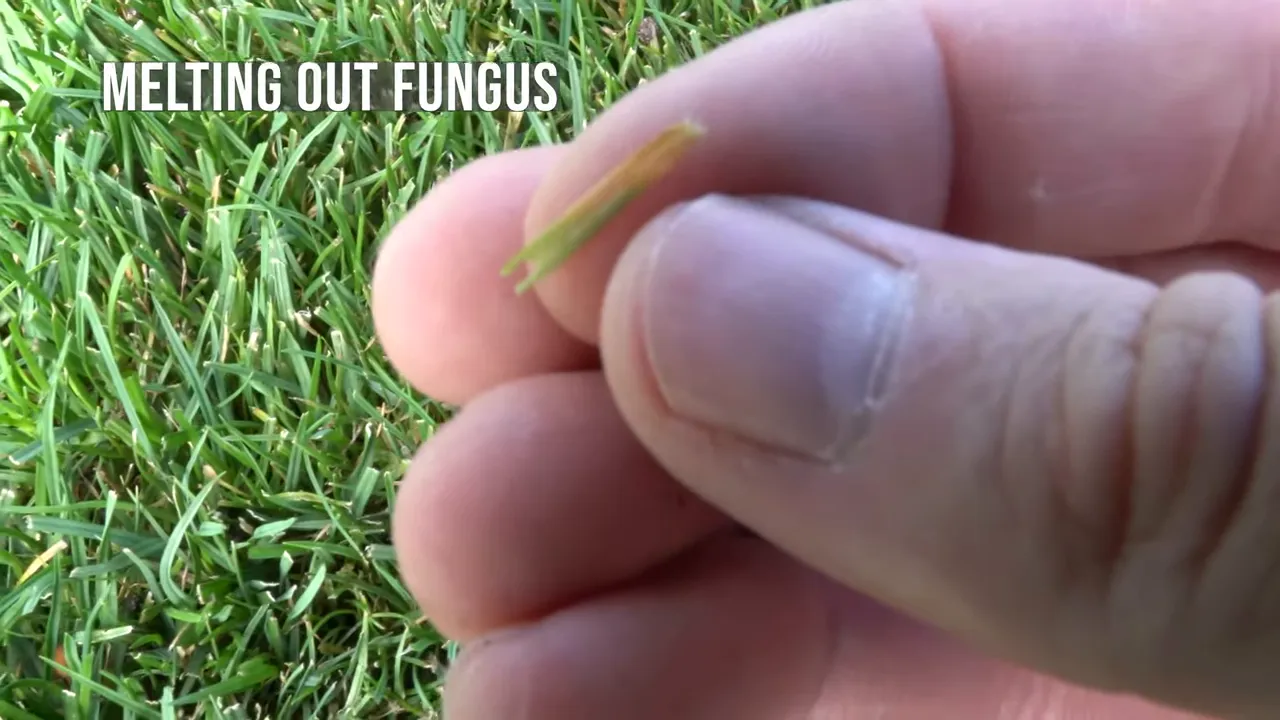
If your Norwich lawn suddenly looks off after a wet week, start small. Don’t just look at the lawn as a whole. Get down and look at a few individual blades. Streaked, faded, or discolored tissue on the blade itself is a different story than a lawn that’s simply hungry for nutrients. A blade that looks like it’s fading or breaking down from the tip or through the middle is telling you something specific, and it may be related to too much sitting moisture rather than too little food.
Another simple check is to push a screwdriver into the soil in a few spots. If it slides in easily and comes out muddy a day or two after rain, that area is likely staying wet longer than it should.
Slowed growth is the other big signal. If mowing every few days used to be routine and now the grass barely needs it, that’s your lawn telling you it’s under stress, not that it’s simply healthy and low-maintenance all of a sudden.
Why More Mowing or Lower Cutting Isn’t the Fix
When a lawn looks patchy or stressed, a common instinct is to scalp it down low to “clean it up,” or to mow more often thinking it’ll even out the color. Mowing a stressed, wet lawn may spread whatever is going on further across the yard with every pass. And scalping an already-stressed lawn just adds another stressor on top of the first one.
The better move, whether you’re dealing with an established lawn or a newer grass seeding project here in the Norwich area, is usually to back off the water and let the soil dry out some before making any other changes. New seedlings especially don’t tolerate aggressive mowing or drying stress the way an older, established lawn can, so how you handle this really depends on where your lawn is at.
Get the Diagnosis Right Before You Treat Anything
Here’s where I’d push back a little on jumping straight to a store-bought treatment. Not every discolored, stressed-looking lawn is dealing with the same underlying issue, and treating the wrong problem can waste time and money without fixing anything. A set of experienced eyes on the actual lawn can tell you more than a photo or a YouTube comment section ever will.
After 41-plus years working on lawns across Eastern Connecticut, I can tell you that what looks like one problem from the driveway is sometimes something else entirely once you’re down on your knees looking at individual blades and checking soil moisture by hand. That’s the step I’d rather see homeowners take before reaching for anything off a shelf.
Mistakes That Show Up Again and Again in Norwich Yards
A common pattern goes like this. A homeowner notices brown or yellow patches after a rainy stretch, assumes the lawn is thirsty or hungry, and responds with more water, more fertilizer, or both. A week later the problem can look worse, not better, and the lawn may be in a tougher spot than if the cause had been sorted out first.
Another one: leaving a sprinkler system on the same schedule regardless of how much rain we’ve had. Connecticut weather isn’t consistent. Some weeks bring plenty of rain, some weeks don’t, and a fixed watering schedule doesn’t account for that. Cooler fall temperatures also mean grass uses less water than it did in July, even if the schedule hasn’t changed. If your system is still running this fall, it’s worth making sure it isn’t watering right after a heavy rain.
A Few Practical Takeaways for Norwich Homeowners
- Check individual grass blades up close instead of judging the whole lawn from a distance
- Pay attention to spots that stay wet noticeably longer than the rest of the yard
- Treat slowed growth and mower clippings dropping off as a warning sign, not a convenience
- Adjust or pause sprinkler schedules after a heavy rain instead of running them on autopilot
- Avoid scalping or mowing more aggressively when a lawn already looks stressed
- When in doubt, figure out the cause before applying anything to the lawn yourself
Let’s Get Your Norwich Lawn Back on Track
Too much water can cause as much trouble for a lawn as too little, and it’s a common issue after a wet stretch of weather here in Norwich. After more than 41 years serving lawns across Norwich and the surrounding Eastern Connecticut area, with over 3,000 satisfied customers and 400+ five-star reviews behind us, we’ve seen a lot of versions of this problem.
If your lawn is showing any of the signs we talked about above, don’t guess at it. Call us at 860-887-2344 to request a Free Lawn Care Quote. We’re here in Norwich, and we’d be glad to help you sort it out.
Follow Us for More Lawn Care Tips
Get FREE Grub Control
when you sign up for our 5-Step Lawn Care Program.
