

Lawn Treatment Madison: What Causes Lawn Disease and How We Help Prevent It
Hey folks, Steve Bousquet here from American Landscape and Lawn Science. I recently came across a video from Out of the Weeds Lawn Care that walked through a two-step strategy for catching lawn disease before it spreads, and it’s a topic worth talking about. But here in Madison, our coastal weather and sandy loam soil create their own version of this problem, so I wanted to break down what I’ve actually seen out on lawns in this area over the years.
Video and screenshots are used for commentary and educational purposes. Out of the Weeds Lawn Care is not affiliated with or endorsing American Landscape and Lawn Science.
Why Lawn Disease Is a Bigger Deal Near the Coast
Madison sits right up against Long Island Sound, and that humidity off the water changes the game for turf. We get muggy stretches in late spring and again in late summer that most inland Connecticut towns don’t deal with the same way. That extra moisture sitting on the grass blade overnight is exactly the kind of thing that lets disease get a foothold.
I’ve walked hundreds of lawns in Madison, Guilford, Clinton, and Killingworth over the years, and the pattern repeats itself almost every season. A lawn looks fine from the driveway, then you get down on your knees and start pulling apart the blades, and there it is. That’s why I always tell customers in this area not to judge a lawn from the porch.
The Two Windows I Watch Every Year
For cool season lawns like the ones we have all through Madison and Norwich, there are two stretches where I tell my team to pay closer attention:
- Late spring into early summer: when things flip from cool and wet to hot and humid
- Late summer into fall: when the heat breaks but the air is still holding a lot of moisture
Those transitions are when a lawn is under stress and least able to defend itself. It’s not really about one bad week of weather. It’s about a lawn that hasn’t been built up enough ahead of time to handle the swing.
Why I Don’t Lead With a Fungicide Bottle
A lot of the advice out there, including in that video I mentioned, walks through picking a granular fungicide and keeping a liquid one in the garage as backup. That’s not wrong information, but it’s not how we approach it at American Landscape and Lawn Science, and here’s why.
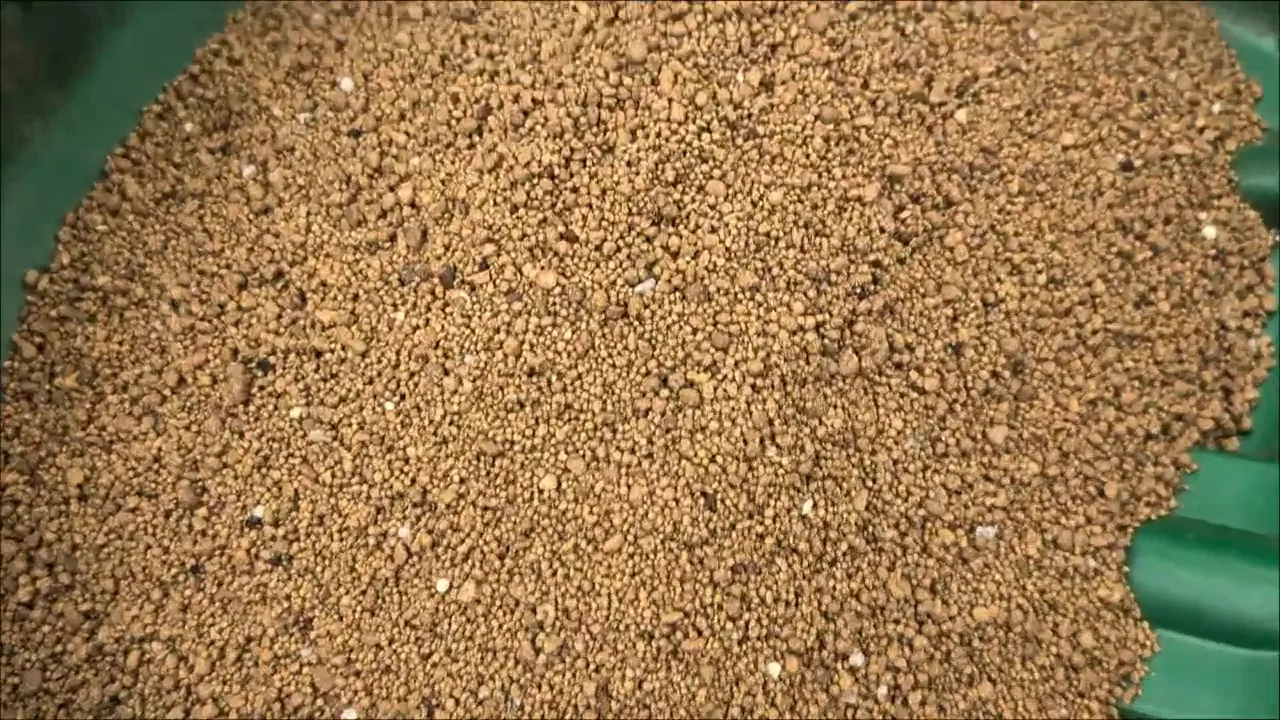
After over 41 years working on lawns in this part of Connecticut, I’ve come to believe the strongest defense against disease isn’t a product you reach for after you’ve already spotted a problem. It’s a lawn that’s been built up over time so it never gets stressed enough to be an easy target in the first place. That’s the whole idea behind our organic lawn food and compost tea applications. Every visit adds a little more to the soil, so the lawn is better equipped to handle a wet, muggy stretch without breaking down.
I like to compare it to going to the gym. One trip doesn’t do much. A year of consistent work changes what your body can handle. Turf works the same way. A lawn that’s been fed and built up over a season or two just doesn’t fold the same way under disease pressure that a thin, stressed lawn does.
What This Looks Like in Our Program
Our organic lawn food applications and Compost Tea treatments work together to build organic matter into the soil, which helps the turf hold up better through those humid stretches. Our liquid organic aeration also plays a role here, since a compacted lawn holds onto surface moisture longer than one with healthy pore space for water and air to move through.
None of this means disease can never show up. No lawn care program can promise that, and I’d be lying if I told a Madison homeowner otherwise. What I can say is that a well-fed, properly aerated lawn tends to shrug off disease pressure a lot better than one that’s been running on quick-release fertilizer alone.
What Lawn Disease Actually Looks Like
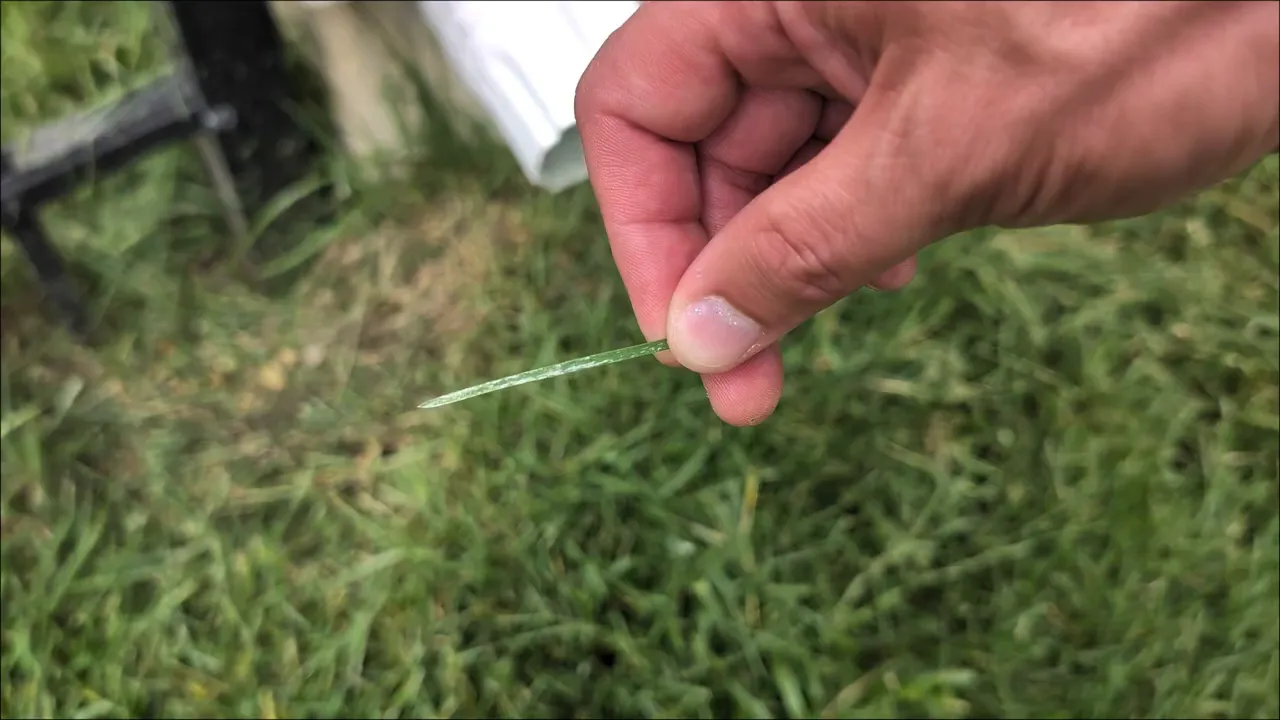
You don’t need to become a plant pathologist to catch this early. A few of the more common things we see on Connecticut lawns include dollar spot, red thread, brown patch, rust, and powdery mildew. Rust can leave an orange dust on your shoes after you walk through it. Powdery mildew can look like someone dusted the lawn with flour. Others just show up as odd yellow or brown patches that don’t follow a normal mowing pattern.
The trick is getting down into the grass, not just eyeballing it from a distance. Pull a few blades apart and look for spotting, discoloration, or a texture that doesn’t feel right.
The Mistake I See Over and Over in Madison
I’ve seen this happen more times than I can count. A homeowner notices a brown patch, assumes it’s just dry grass from the summer heat, and keeps mulching their clippings right back into the lawn while mowing. If disease is actually active, that habit can help spread it around the yard without anyone realizing it.
The other mistake is waiting until the whole front yard looks rough before calling anyone. By that point, a lawn has usually been struggling for weeks. Catching it early, and having a soil program already in place before the stressful months hit, makes a real difference in how much recovery is needed later.
A Simple Checklist for Madison Lawns
- Pay closer attention during the late spring to early summer and late summer to fall transitions
- Get down into the grass and inspect blades directly instead of judging the lawn from a distance
- If you spot active disease, bag your clippings for a few mowings instead of mulching them back in
- Keep your lawn fed on a consistent schedule rather than relying on a single quick-release application
- Ask about a soil-building program if your lawn tends to struggle every summer around the same time
Let’s Talk About Your Lawn
We’ve been taking care of lawns in Connecticut for over 41 years, and we currently work with more than 3,000 active clients across Madison, Guilford, Clinton, Killingworth, Norwich, and the surrounding towns. Our organic lawn food, Compost Tea, and liquid organic aeration applications are all water-based and family and pet safe once dry, and we’ve built our approach around what actually holds up in this coastal climate, not generic advice written for a different part of the country.
If your lawn has struggled with disease-like symptoms in past summers, or you just want a program built around your soil instead of guesswork, you can read more about our Lawn Treatment Madison services.