


Lawn Care Norwich: A Local Look at the 5-Step Fall Routine
Hey there, Steve Bousquet here with American Landscape and Lawn Science. I recently came across a video from Tyler Graham that walks through a 5-step fall lawn care routine, and it’s solid, practical stuff. But here in Norwich, our soil and our New England fall weather change a few of those steps, so I wanted to break down what actually holds up once you apply it to a lawn in this area.
Video and screenshots are used for commentary and educational purposes. Tyler Graham is not affiliated with or endorsing American Landscape and Lawn Science.
Why Fall Matters More Than People Think in Norwich
Norwich sits inland from the coast, and our falls run a little cooler and a little more variable than what you’ll see in Madison or Guilford. That swing in temperature is actually a good thing for cool-season grass. After working with lawns across Norwich, Franklin, Lisbon, and Preston for over 41 years, I can tell you fall is the single best stretch of the year to fix a lawn that struggled through summer.
The trick isn’t just knowing what to do. It’s knowing what order to do it in, and which parts are worth doing yourself versus handing off to someone who does this every day.
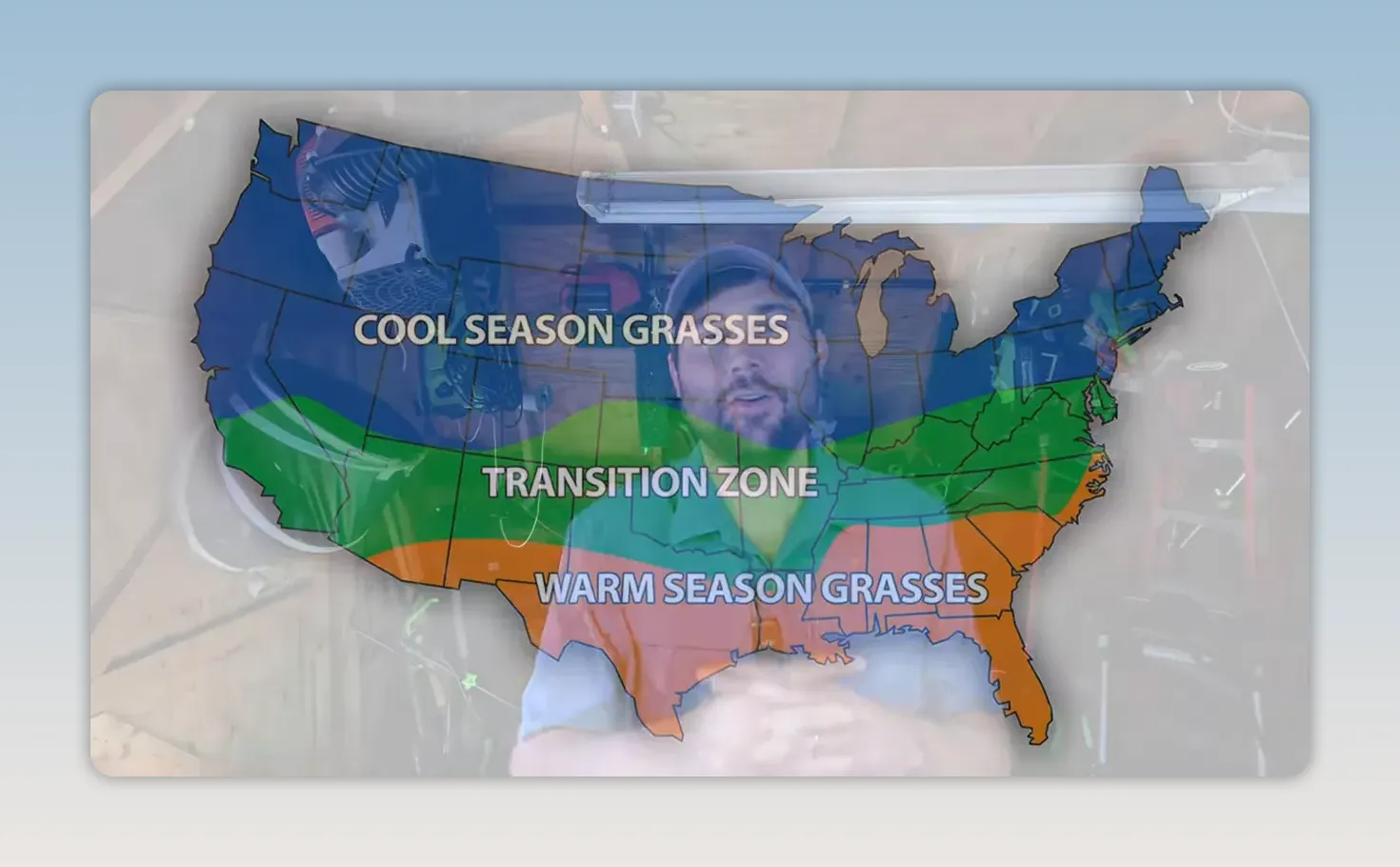
Step 1: Clear the Yard Before You Do Anything Else
Before any product goes down, the lawn needs to be clear. Normally I’m all for mulching light leaf cover and clippings back into the turf. It’s free nutrients. But once leaves start piling up and blocking sunlight and airflow, that changes. Bag them up for a few mowings so the surface can breathe again.
I’ve seen plenty of Norwich lawns where a homeowner did everything right in the steps that followed, but skipped this part, and the seed or fertilizer never made real contact with the soil underneath all that leaf litter.
Step 2: Where I Part Ways With the Core Aerator Rental
This is where our approach in Norwich looks different. A rented core aerator will pull small plugs out of the lawn, and that does relieve some compaction. But our soil profile here has a lot of dense clay mixed through it, and a single pass with a rental unit barely scratches the surface of what that soil actually needs.
Instead of core aeration, our program uses liquid organic aeration. It works down into the soil profile far deeper than a mechanical core aerator can reach, and it doesn’t leave the lawn looking chewed up with plugs scattered across the yard for a week. I’ve had customers tell me they’ll never go back to core aeration once they’ve seen what the liquid approach does for root depth and water absorption.
If you’re planning to seed this fall, getting the soil opened up first matters just as much as the seed itself. That’s true whether you rent equipment or call us.
Step 3: Handling Weeds Without Wrecking New Seed
The video’s point about weed control and seeding not playing nicely together is a real one. Standard pre-emergent products can stop your new grass seed from ever coming up, so timing and product choice both matter here.
This is a spot where I’d rather a Norwich homeowner call us before grabbing something off a shelf. Our broadleaf weed control and crabgrass prevention applications are built to work within a full-season program, and if seeding is part of the plan, we sequence the weed treatments so they clean up what’s already there without choking out the new grass trying to establish.
Step 4: Choosing and Spreading Seed
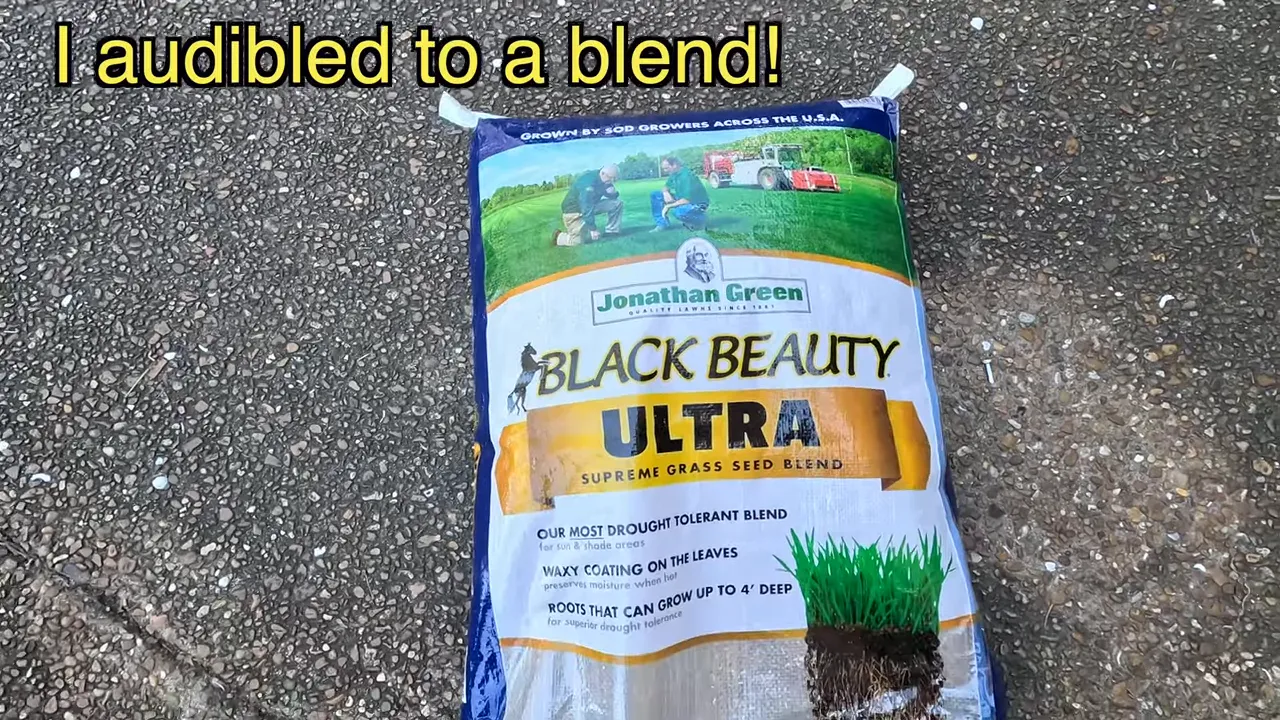
Tall fescue, fine fescue, and Kentucky bluegrass blends all do well in our part of Connecticut. The right pick depends on the shade, foot traffic, and soil in your specific yard, which is why I’m always cautious about telling every Norwich homeowner to grab the same bag off the shelf.
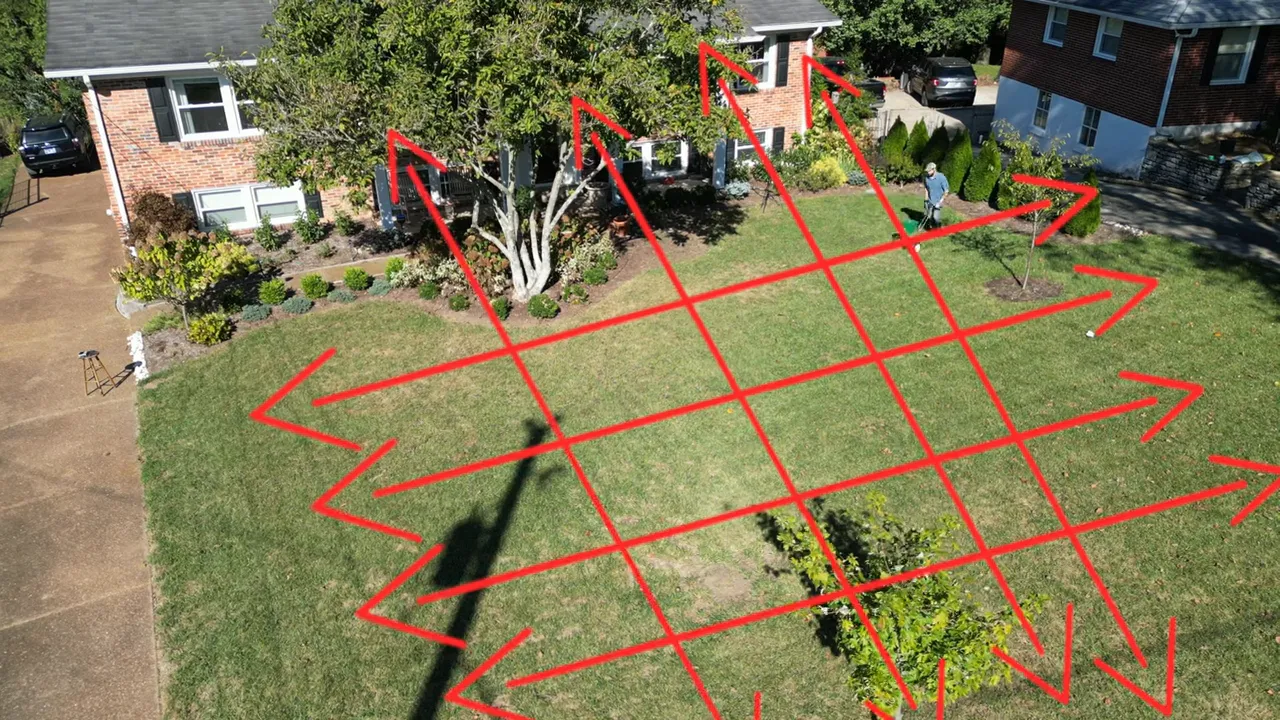
Whatever you pick, spread it in a crisscross pattern, one pass in each direction, so you don’t end up with the light and dark striping that comes from uneven coverage.
Worth noting for Norwich, Franklin, Lisbon, and Preston homeowners: our lawn care programs don’t automatically include seeding. Every lawn is different, so we price seeding separately based on the actual area that needs it rather than bundling it into a flat rate that doesn’t fit your yard.
Step 5: Starter Fertilizer and Water, in That Order
A starter fertilizer helps new seed establish before the cold sets in. Split your pass the same way you did with the seed, half in one direction and half in the crossing direction, to avoid heavy bands of product.
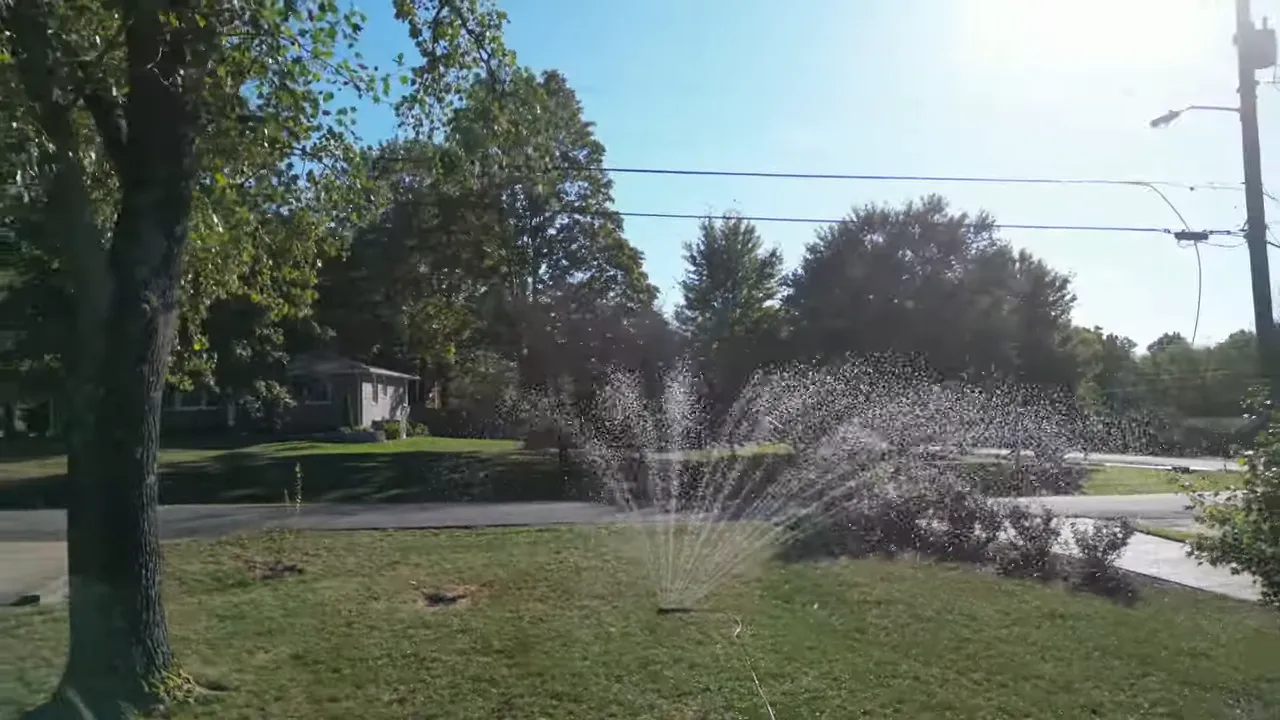
Then it comes down to water. Light, frequent watering for the first couple of weeks keeps the seedbed moist without drowning it. I’ve seen Norwich homeowners do everything else right and lose the seed anyway because they watered heavily once a day instead of lightly several times a day.
The Mistake I See Most in This Area
I’ve seen this happen more times than I can count: someone renovates their lawn in fall, skips the soil prep step because it seems like extra work, and wonders why the new seed never really filled in. In Norwich’s heavier soil, skipping proper aeration ahead of seeding is one of the most common reasons a fall renovation falls flat by spring.
Your Fall Lawn Checklist for Norwich
- Clear leaves and debris before doing anything else to the lawn
- Open up compacted soil, ideally with liquid organic aeration rather than a single core aeration pass
- Handle weeds with a seed-safe approach if you’re planning to overseed
- Choose a seed blend suited to your yard’s shade and traffic, not just what’s on the shelf
- Apply starter fertilizer in a crisscross pattern for even coverage
- Water lightly and often until the new grass is established
Let’s Get Your Lawn Ready for Spring
We’ve been serving Norwich, Franklin, Lisbon, and Preston for over 41 years, and we currently work with more than 3,000 active clients across Connecticut. Our organic lawn food, liquid organic aeration, and weed control applications are all water-based and safe for families and pets once dry, and our approach is built around what actually works in this area’s soil, not generic advice.
If you’re planning a fall renovation or just want your lawn ready to come back strong in spring, you can check out our Lawn Care Norwich page to see what fits your yard.