

Lawn Treatment Norwich: How to Treat Sod Webworms Before They Leave Bald Spots
Hey, I’m Steve Bousquet with American Landscape & Lawn Science, and I want to talk about a lawn problem that comes up more than you’d think around Norwich this time of year. I came across a helpful video from a channel called DIY GEEK that covers sod webworms and a simple treatment homeowners can try themselves. It’s a solid resource, and I want to share it here. That said, lawns in eastern Connecticut have their own personality, and what works in a generic tutorial doesn’t always account for what we deal with here. So I’ll give you my take along the way.
Video and screenshots are used for commentary and educational purposes. DIY GEEK is not affiliated with or endorsing American Landscape & Lawn Science.
Why Norwich Lawns Are Especially Vulnerable to This
Sod webworms tend to show up across Connecticut lawns every season, but Norwich and the surrounding communities — including Franklin, Lisbon, and Preston — see this problem show up in late spring and into summer with some regularity. The combination of humid weather patterns and the types of cool-season grasses common in this area creates conditions that sod webworms seem to find pretty comfortable.
I’ve been doing lawn care in this part of the state since 1983. Over more than 40 years of treating lawns and talking to customers, I’ve seen this pest catch homeowners completely off guard. You look out one morning and there’s a bald patch that wasn’t there a week ago. That’s usually when people call us. The earlier you catch it, the less damage you’re dealing with.
What Sod Webworms Actually Are
Sod webworms are the larval stage of a small lawn moth. The larvae feed on grass blades at the soil surface, and once they get going in concentrated numbers, they can take out sections of turf pretty fast. Most homeowners in Norwich never actually see the larvae themselves because they feed at night and hide in the thatch during the day.
What you do notice is the adult moth. These are the tiny moth-like insects that flutter up from the grass when you walk through it. They look almost like gnats or tiny flies bouncing around your feet. If that happens in an open section of lawn away from any shrubs or garden beds, that’s a real red flag for sod webworms.
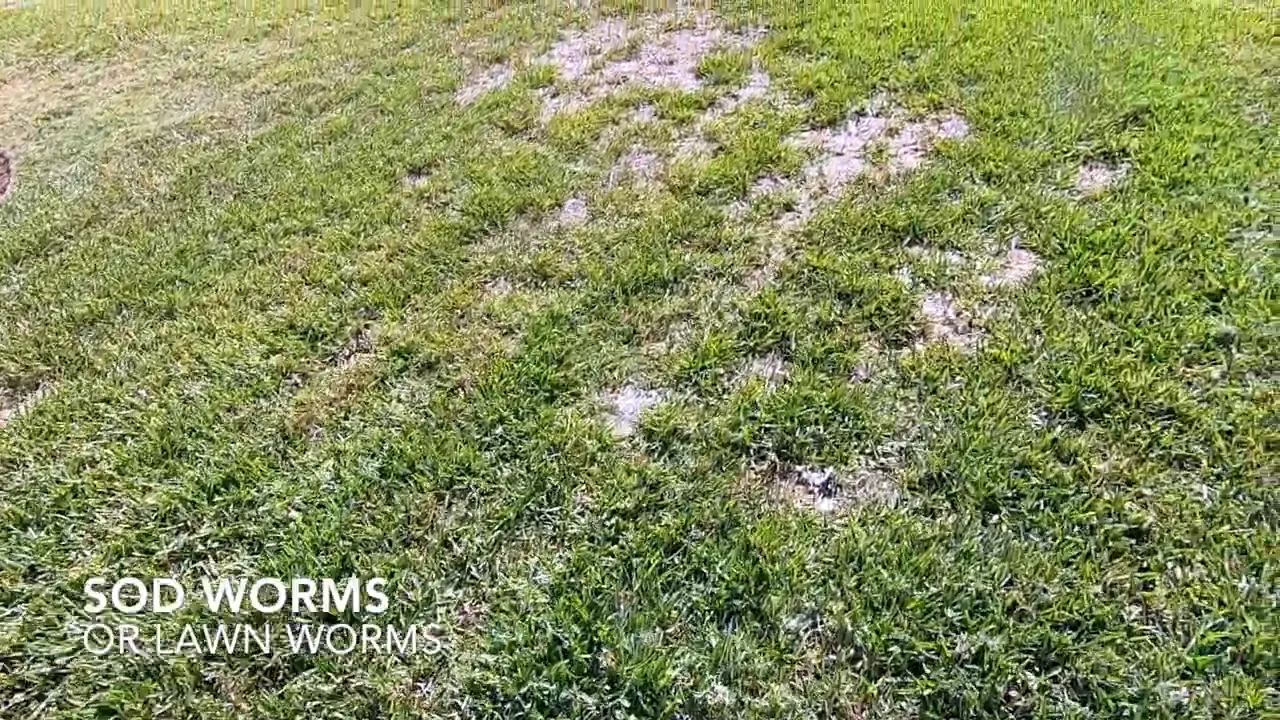
How to Identify the Problem Before It Gets Worse
Identification is where most homeowners lose time. The early signs are subtle, and it’s easy to write them off as dry spots or uneven watering. For lawn treatment in Norwich to be effective, you need to know what you’re dealing with first. Here’s what to look for:
- Tiny moths rising from the grass when you walk through it, especially in open lawn areas
- Localized thinning patches that don’t match up with shade or drainage patterns
- Bald spots that seem to grow or spread over a week or two
- No other obvious explanation like foot traffic, pet urine, or irrigation issues
One of the most reliable tests is just a slow walk across the lawn. Watch what comes up out of the grass as you go. If a specific patch sends up a burst of small fluttering insects, treat that section. Don’t wait to see if it gets better on its own.
The Simple Homemade Treatment You Can Try Today
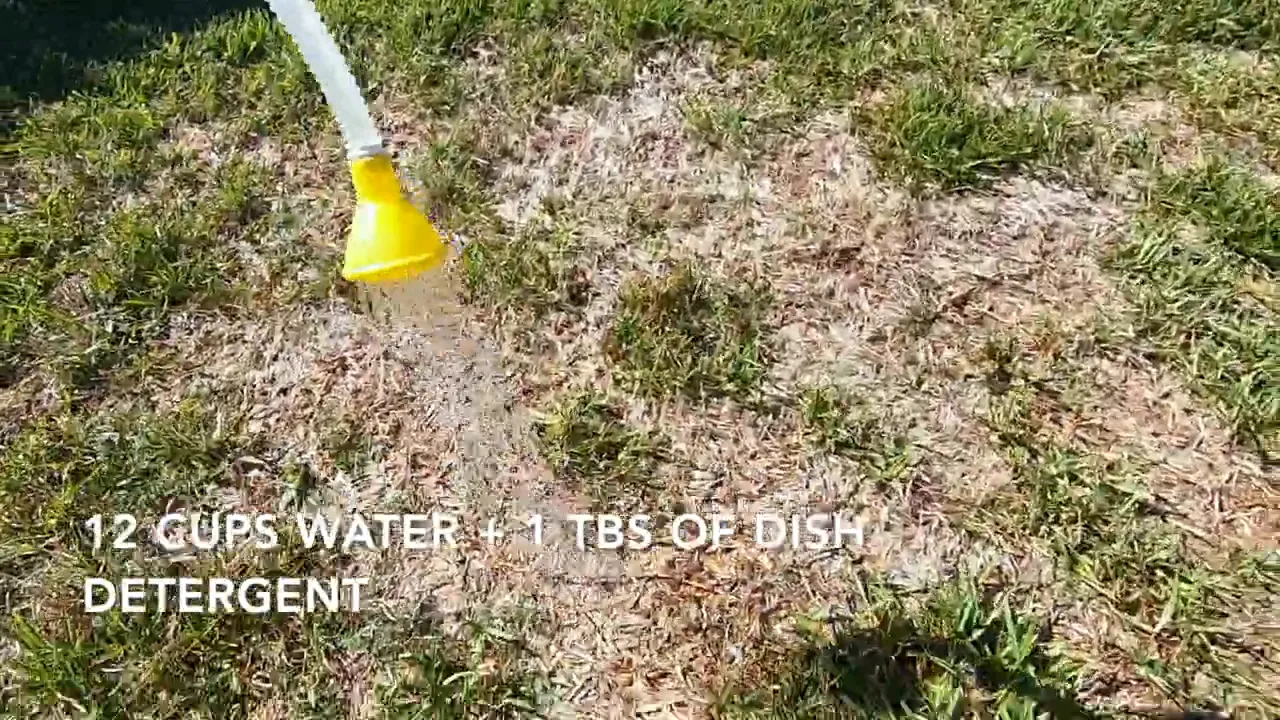
The DIY approach covered in the video is straightforward and inexpensive. The mix is:
- 12 cups of water
- 1 tablespoon of dish detergent
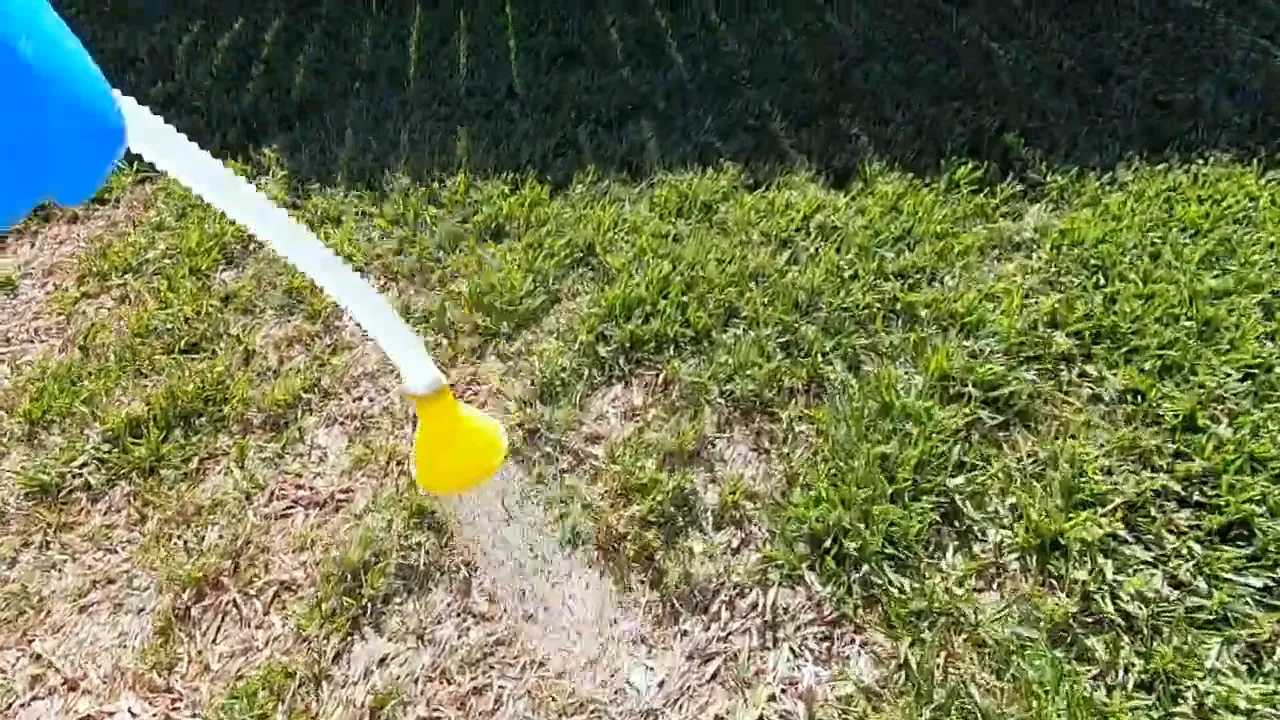
Combine those in a spray bottle or pump sprayer and apply it directly to the affected lawn areas. The soapy water irritates the larvae and draws them to the surface where they become more vulnerable. It won’t fix a major infestation, but for early-stage problems it can slow things down while you figure out your next step.
Other Treatment Options Worth Knowing About
The homemade mix is a good starting point, but it’s not always enough. Depending on how far along the damage is, you may want to consider a couple of other options.
Beneficial Nematodes
This is a natural approach that I think is underused by homeowners. Beneficial nematodes are microscopic organisms that target pest insects in the soil. The specific type that works well against sod webworm larvae is Steinernema carpocapsae. You can find these at garden centers or order them online. They’re safe for your lawn, your family, and your pets, which matters a lot to the customers I work with in Norwich and the surrounding areas.
Pesticide Treatment
When the infestation is already causing visible damage across a significant portion of lawn, a targeted pesticide application is often the most effective route. There are products specifically labeled for sod webworms that won’t wreck the rest of your lawn. If you’re not sure what to use or how to apply it, that’s where having a professional take a look can save you from making the problem worse.
Common Mistakes I See Homeowners Make
After working with thousands of lawn care customers across Norwich, Franklin, Lisbon, and the wider eastern Connecticut area, I’ve watched the same pattern repeat itself. Here are the mistakes that cost people the most:
- Waiting too long. A small infestation becomes a big repair project faster than most people expect. I’ve seen this happen hundreds of times. Homeowners notice the moths, figure it’ll work itself out, and call us two weeks later with a lawn that looks like someone cut patches out with scissors.
- Treating the wrong problem. Bald spots in Connecticut lawns can come from drought, grubs, fungal disease, or sod webworms. Spraying for webworms when you’ve actually got a grub problem won’t do much. Take time to confirm what you’re dealing with before you treat.
- Skipping the follow-up. One treatment usually isn’t enough. Monitor the lawn for two weeks after treating and reapply if you’re still seeing moth activity.
- Ignoring recovery. Even after you knock out the webworms, damaged turf in Norwich doesn’t always come back on its own. Some areas will need overseeding once the pest pressure is gone.
Quick Action Checklist for Sod Webworms
If you think you might have sod webworms, here’s a straightforward plan:
- Walk slowly across the lawn and note any patches where small moths flutter up.
- Look for thinning turf or bald spots that don’t have an obvious cause.
- Mix 12 cups of water with 1 tablespoon of dish detergent and spray the problem areas.
- Consider beneficial nematodes as a follow-up natural treatment.
- If the damage is extensive or keeps spreading, contact a local lawn care professional for a proper assessment.
- After treating, plan for overseeding any badly damaged sections once the infestation is controlled.
When to Call a Professional for Lawn Treatment in Norwich
Not every lawn problem needs a pro, and I’ll be straight with you about that. The DIY soap treatment and beneficial nematodes are reasonable options when you catch things early. But if the damage has already spread across multiple areas of your lawn, or if you’ve tried treating and it keeps coming back, it’s probably time to have someone take a closer look.
At American Landscape & Lawn Science, we inspect every lawn before recommending anything. We don’t guess, and we don’t push treatments you don’t need. Our full-season lawn care programs include pest monitoring as part of how we manage turf health throughout the year, so issues like sod webworms often get caught before they cause visible damage.
We’ve been taking care of lawns in Norwich, Franklin, Lisbon, Preston, and surrounding towns since 1983. With more than 3,000 active clients and a 90% program retention rate, we’ve had a long time to figure out what these Connecticut lawns actually need. If you’re unsure what’s going on with yours, a free lawn evaluation is a good place to start.
Give us a call at (860) 887-2344 or visit lawnscience.com to request a quote. We’re at 43 Gulliver Circle, Norwich, CT 06360, and our office is open Monday through Friday, 8AM to 5PM.
We also serve homeowners throughout Madison, North Franklin, Groton, Montville, and communities all across eastern Connecticut. If you have questions about what you’re seeing in your lawn, reach out. We’re happy to help point you in the right direction.
Follow Us for More Lawn Care Tips
Get FREE Grub Control
when you sign up for our 5-Step Lawn Care Program.
