
Lawn Care Madison Spring Timing Tips: When to Fertilize, Control Weeds, and Identify Your Grass
Hey everyone, Steve Bousquet here with American Landscape & Lawn Science. We’ve been serving Madison and the surrounding shoreline communities for over 41 years, and every spring I get a flood of the same questions — when do I fertilize, when do I put down weed control, and what kind of grass is actually growing in my yard? I recently came across a really solid video from Greg Phillips over at Home Lawn Care that walks through spring timing in a practical, no-fluff way. Worth a watch. That said, here in Madison, things come with their own set of quirks — coastal soils, late frosts, that heavy clay in some spots — so I want to take what Greg covers and put it in terms that actually make sense for your yard.
Video and screenshots are used for commentary and educational purposes. Home Lawn Care with Greg Phillips is not affiliated with or endorsing American Landscape & Lawn Science.
Why Spring Timing Is So Important Here in Madison, CT
I’ll be straight with you — the advice you’ll find online, or even in some of these videos, is great as a general framework. But Madison is on the Connecticut shoreline, and that changes things. Our soil temperatures warm up differently than inland towns like Lebanon or Franklin. We can have a run of 60-degree days in early March that makes it feel like the lawn is ready, and then a hard frost rolls back in off the Sound and sets everything back two weeks.
After working with over 3,000 active clients across Madison, Clinton, Guilford, and the surrounding shoreline towns, I’ve seen what happens when people jump the gun. Fertilizer applied before the lawn is actively growing just leaches out or runs off. Pre-emergent put down too early loses its effectiveness before crabgrass even germinates. The whole thing becomes a waste of money. The goal here is to help you read your lawn and your yard’s natural cues instead of working off a calendar date.
Spring Is the Best Time to Figure Out What Grass You Have
One of the most underrated things you can do this time of year is figure out what you’re actually working with. You’d be surprised how many Madison homeowners have been overseeding with the wrong grass type for years — putting down Kentucky bluegrass when their yard is mostly tall fescue, or vice versa. When you seed the wrong variety, it doesn’t blend in, and you end up with a patchy, uneven look that no amount of fertilizer is going to fix.
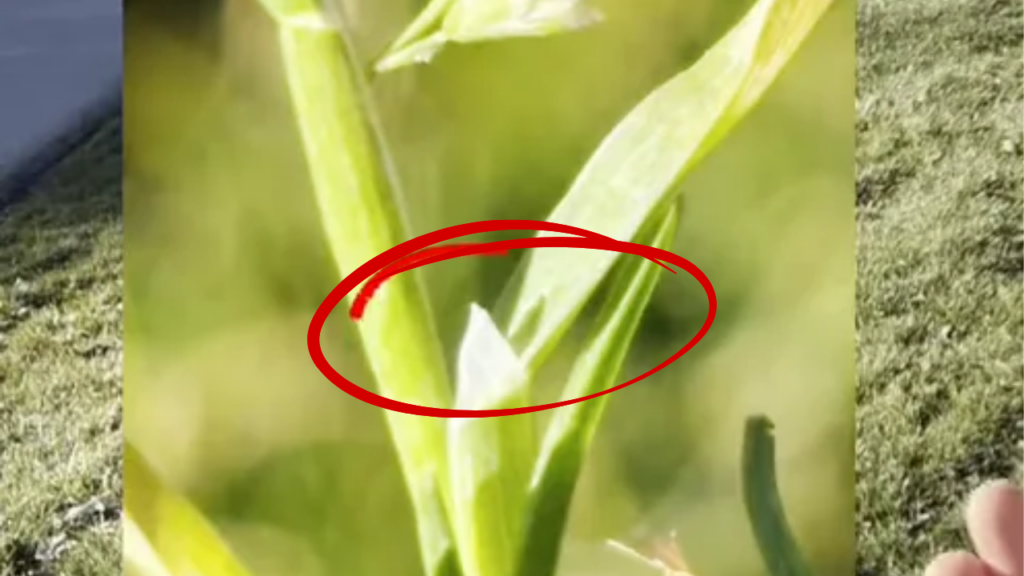
Early spring is the ideal window to identify your grass because the differences between species are more visible as things green up after winter dormancy. Here are the three main cool-season grasses you’ll find in Lawn Care Madison yards — and how to tell them apart:
How the Blade Emerges (Vernation)
The simplest first check is how the grass blade comes out of the sheath. It’s either rolled — like a newspaper — or folded, like a book. This one trait alone can help you narrow things down quickly.
The Ligule: That Little “Tape” Piece
Right where the leaf blade meets the sheath, there’s a small membrane called the ligule. It looks like a thin piece of scotch tape. The size and shape of that ligule is one of the best ways to separate bluegrass from annual bluegrass — a distinction that actually matters a lot for weed control planning.
The Midrib and Boat-Shaped Tip
Run your finger down a grass blade. If you can see and feel a prominent mid rib, there’s a good chance you’re looking at perennial ryegrass. Tall fescue typically doesn’t have that same pronounced rib. And bluegrass? It has a distinct boat-shaped tip — run your finger to the edge of the blade and it will actually split slightly because of that shape. Once you’ve seen it, you’ll always recognize it.
Don’t Fertilize Before the Lawn Is Ready
This one trips up a lot of people every year — and I get it. After a long Connecticut winter, the second it looks a little green out there, the instinct is to throw fertilizer down and get things moving. But if your lawn isn’t actively growing yet, you’re wasting your money. Nitrogen applied too early in spring can volatilize into the air, leach down past the root zone with heavy spring rain, or just run right off the surface. I’ve seen quick-release fertilizers essentially disappear within two weeks in early spring because the grass just isn’t taking anything up yet.
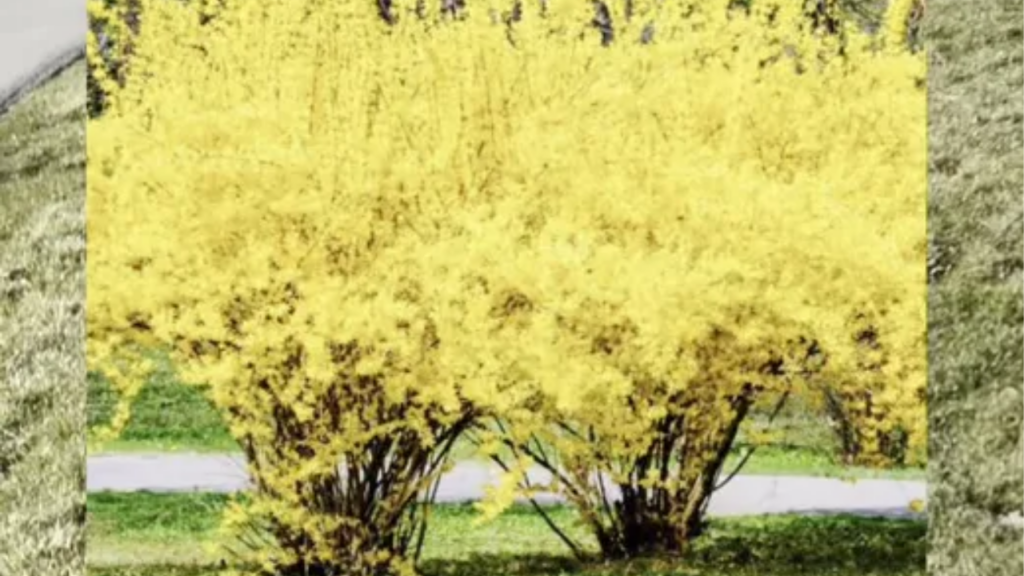
Watch the Forsythia
Here’s the timing cue I always come back to: forsythia. Those bright yellow flowering bushes you see along roadsides and in front yards all over Madison and Guilford in early spring? When those are blooming, that’s your signal that conditions are close to right for pushing nitrogen. It’s a natural clock that aligns pretty well with soil temperatures in our part of Connecticut. Once forsythia is near or at full bloom, the lawn is generally waking up and ready to start using what you put down.
Spring Weed Control: Timing and Temperature Both Matter
Broadleaf weeds — dandelions, clover, and the like — can actually be targeted earlier in the season than most people think, because the right herbicide products are built to perform in cooler temperatures. The key is choosing the right product and understanding seeding intervals if you’re also planning to patch bare spots.
One product worth knowing about is SpeedZone — it’s a go-to for early broadleaf control because it’s designed to work when soil temps are still on the cool side. It also helps suppress annual bluegrass (poa annua), which is a sneaky problem in a lot of Connecticut shoreline lawns. If you’re going to overseed after treatment, the seeding window with SpeedZone is about 7 days. Some seed-system products let you seed same day, which is helpful if you’re trying to tackle bare spots and weed pressure at the same time.
At American Landscape & Lawn Science, our lawn care programs include two strategic broadleaf weed control applications per year — early and late season. We only treat twice because we use a water-based, five-ingredient approach that handles the full spectrum of broadleaf weeds without over-applying chemicals to your property. Our families and pets are out there too. We keep it targeted.
Never Walk on Frost — This One Is More Important Than It Sounds
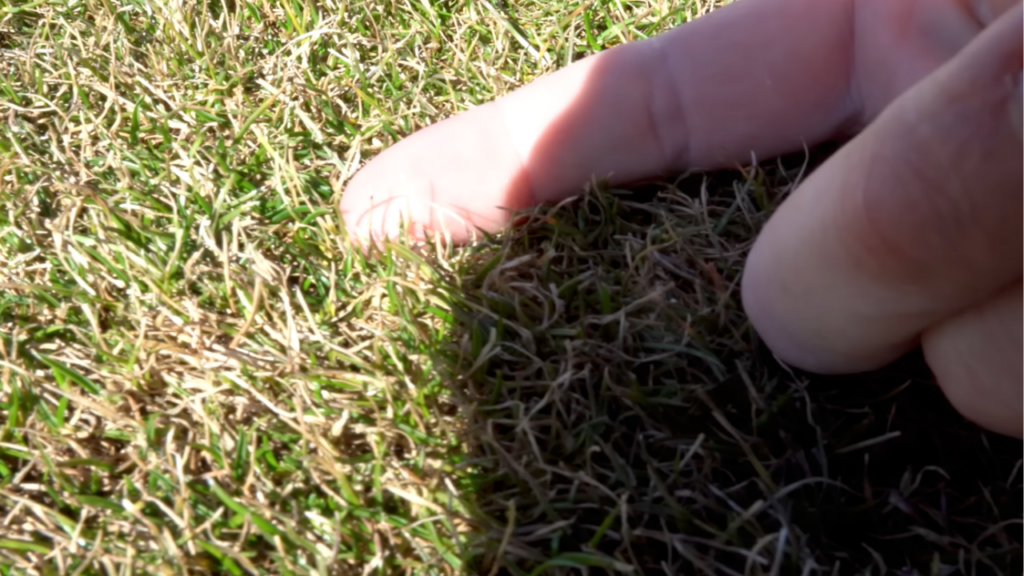
Here in Madison, we get those late-March and early-April mornings where there’s a light frost on the grass and it looks totally fine. People let the dog out, walk across the lawn, kids cut through on the way to the bus. I’ve seen this cause real damage. When frost is sitting on cool-season grass blades, there are ice crystals inside the plant tissue. Foot traffic punctures those cell walls, and you end up with purple or discolored streaks that take a while to recover. It might not kill the grass, but it absolutely slows it down. Golf course crews know this — they wait until temps are above 32°F, irrigate to clear the frost, and only then open the course. Same principle applies to your yard.
Mistakes I See Madison Homeowners Make Every Spring
After 41 years and thousands of lawns across Madison, Clinton, and Guilford, I’ve watched the same patterns repeat themselves. Here’s what I’d ask you to avoid this season:
- Fertilizing by the calendar, not the lawn. March 1st doesn’t mean anything to your grass. Forsythia bloom does.
- Overseeding with the wrong grass seed. Identify first, then seed. Mixing incompatible varieties causes the patchy look people hate.
- Skipping weed control because it “seems early.” Cool-temperature broadleaf options exist for a reason. Early treatment gets ahead of weeds before they set seed.
- Walking on frosted turf. The damage isn’t always obvious right away, but you’ll see it within a week or two.
- Doing too much too soon. I know it’s tempting. But a lawn that’s still coming out of dormancy doesn’t need to be aerified, fertilized, seeded, and treated all in the same week. Let it wake up first.
Spring Lawn Checklist for Madison, CT Homeowners
- Clean up winter debris — branches, matted leaves, anything blocking airflow to the soil surface.
- Identify your grass type — check vernation, ligule, midrib, and blade tip before you do anything else.
- Wait for forsythia to bloom before applying any nitrogen fertilizer.
- Apply broadleaf weed control with a cool-temperature-rated product once daytime temps are consistently above freezing.
- Plan your overseeding window based on whatever herbicide you use — 7-day wait or same-day depending on the product.
- Stay off the lawn on frosty mornings. No shortcuts here.
- Don’t aerate or dethatch until the grass is actively growing — early stress on a lawn that hasn’t fully woken up can do more harm than good.
Ready for a Lawn That Actually Looks Great This Season? Let’s Talk.
We serve Madison, Clinton, Guilford, Killingworth, and the surrounding shoreline communities. With a 90% program retention rate and over 100 five-star reviews, our clients stay with us year after year because they see the results. We soil test for lime recommendations, use water-based organic-based treatments that are pet and family friendly, and we answer the phone when you call.
Our All-American Lawn Care Program covers fertilization, crabgrass control, broadleaf weed control, and more — all dialed in to what Eastern Connecticut lawns actually need. No guesswork, no cookie-cutter programs from a national company. Just local expertise, applied to your yard.
Get a free lawn assessment today:
- 📞 Call us: (860) 669-1880 (Madison) | (860) 642-9966 (Franklin/Eastern CT)
- 🌐 Visit us online: lawnscience.com
- 📍 Madison Office: 4 New Rd, Madison, CT 06443
Serving: Madison · Clinton · Guilford · Killingworth · Groton · Mystic · Old Saybrook · Essex · Lebanon · Franklin · Norwich and communities throughout Eastern Connecticut.
Follow Us for More Lawn Care Tips
Get FREE Grub Control
when you sign up for our 5-Step Lawn Care Program.
