
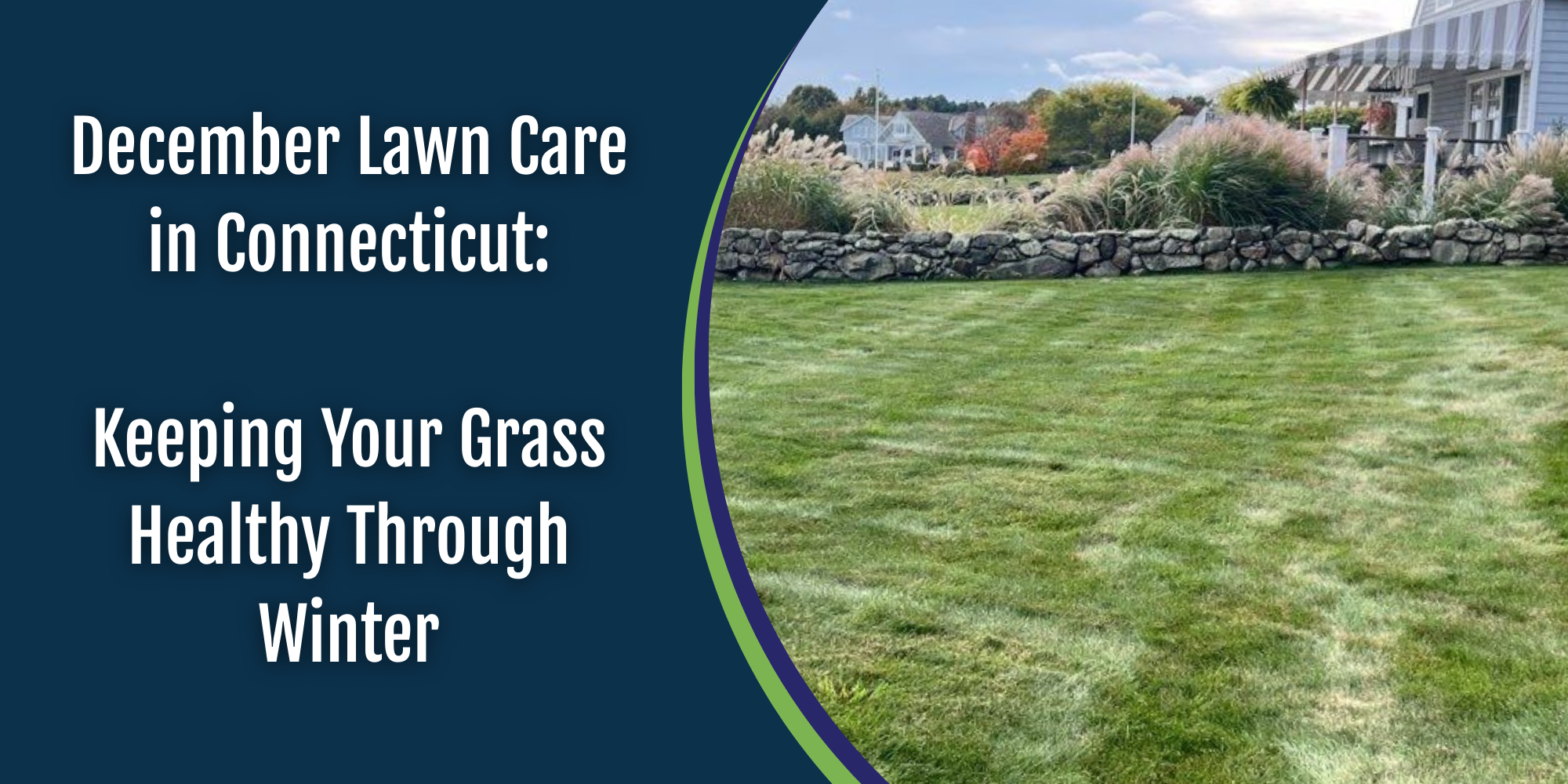
December Lawn Care in Connecticut: What Actually Works in Our Climate
Hey folks, Steve here from American Landscape & Lawn Science. I recently came across a helpful video from LawnRight Lawn Care that covers December lawn maintenance, and while they make some solid points, things work a bit differently here in Connecticut. With our unpredictable winters—freezing one week, 50 degrees the next—our lawns need a more tailored approach than what you’ll find in generic advice. After 40 years serving families across Madison, Clinton, Guilford, Norwich, Groton, and the surrounding towns, I’ve learned what actually keeps Connecticut turf healthy through the cold months.
Video and screenshots are used for commentary and educational purposes. LawnRight Lawn Care is not affiliated with or endorsing American Landscape & Lawn Science.
Why Connecticut Winter Lawn Care Is Different
The coastal Connecticut climate we deal with from Madison down to Mystic throws some curveballs that generic lawn advice doesn’t account for. We get salt spray near the shore, heavy clay soils inland, and those freeze-thaw cycles that can wreak havoc on turf crowns. One day it’s 55 degrees and your grass thinks it’s spring, the next morning there’s frost damage because temperatures dropped 30 degrees overnight.
In towns like Norwich, Lebanon, and Franklin, we see heavier snowfall and longer cold periods than our coastal customers in Old Saybrook or Essex. That means your December maintenance plan needs to be flexible—you’re not following a calendar, you’re following the weather. After working with over 3,000 Connecticut families, I’ve seen what happens when folks try to apply advice meant for Kentucky bluegrass in Tennessee to our New England lawns. It doesn’t translate.
The Reality of Winter Mowing in Our Area
Here’s something that surprises people: your lawn doesn’t completely shut down in December, especially during mild stretches. I still run the mower in winter, but not the way you’d think. We’re not really “cutting” grass—we’re cleaning up leaf debris and taking maybe a quarter-inch off the tips when the turf grows during warm spells.

The key is timing it right. In Guilford or Clinton where we get more coastal moisture, you need to wait for a dry day with firm ground. Our heavy clay soils around Norwich and Groton get soggy fast, and running equipment over wet turf in December creates ruts and compaction that’ll show up as dead spots come April. I tell customers to mow maybe two or three times total between Thanksgiving and March, always with the deck set high—around 3 to 3.5 inches.
What we’re really doing is leaf management. Oak leaves from all those mature trees in Madison? They mat down and smother grass if you leave them sitting there. A quick pass with the mower on a dry afternoon solves that problem without stressing the turf.
Leaf Removal: The Most Important December Task
I can’t stress this enough—leaves will destroy your lawn faster than anything else in winter. When we get those November and December rains, wet leaves create a sealed mat that blocks light and traps moisture against the crown. That’s when you get snow mold, fungal issues, and thinning that looks terrible in spring.
Between our two locations in Madison and Norwich, I’ve seen every kind of leaf situation you can imagine. Neighborhoods with big sugar maples drop leaves well into December. Even after you think you’re done, wind blows more over from the neighbor’s yard. You’ve got to stay on top of it.
The mower works better than a rake for this. Set it high, engage the bag, and make overlapping passes. You’re not trying to get every single leaf—that’s impossible—but you want the majority cleared so each grass blade can catch whatever weak December sun we get. In shaded areas under those big oaks in Essex or Old Saybrook, this becomes even more critical because those spots are already light-starved.
Our Approach to Winter Lawn Nutrition
Now, the video mentions monthly organic treatments, and that’s solid advice with one Connecticut-specific caveat: our soil needs help. We deal with acidic, compacted clay in most of our service areas, and it doesn’t drain like the sandy loam you see in other regions. I’ve sent hundreds of soil samples to UConn’s testing lab over the years, and the results are pretty consistent—low pH, poor organic matter, and terrible drainage.
An organic tonic applied monthly helps, but it’s not a miracle cure. What it does is feed the beneficial microbes in the soil that are still active during warm stretches. Even when grass growth slows down, root development continues on mild days, and those roots need support. The organic matter improves soil structure gradually—think of it as a long-term investment, not a quick fix.
With our 98% customer retention rate, I’ve been able to track lawns over decades, and the ones that get consistent organic treatments through winter definitely recover faster in spring. The grass comes out of dormancy stronger, with better color and density. But again, it only works if your soil has been tested and you know what you’re working with. That’s why we partner with UConn’s soil lab for every new customer.
Application Tips for Connecticut Conditions
Timing matters with winter applications. Don’t try to spray when the ground’s frozen solid—you’re just wasting product. Wait for a mild day when soil temperatures are above 40 degrees. In December around here, you’ll usually get at least one or two good windows. Mix your product according to the label, use a pump sprayer for even coverage, and water it in if rain isn’t forecast within 24 hours.
The monthly schedule makes sense because most organic products break down within three to four weeks. By the time you hit late December, that November application is pretty much spent. One more treatment before the ground freezes for good gives your lawn resources to work with during any January or February thaws we get.
Common December Problems We See Across Connecticut
After four decades in this business serving towns from Mystic to Madison, I’ve seen the same issues pop up every December. Here’s what to watch for:
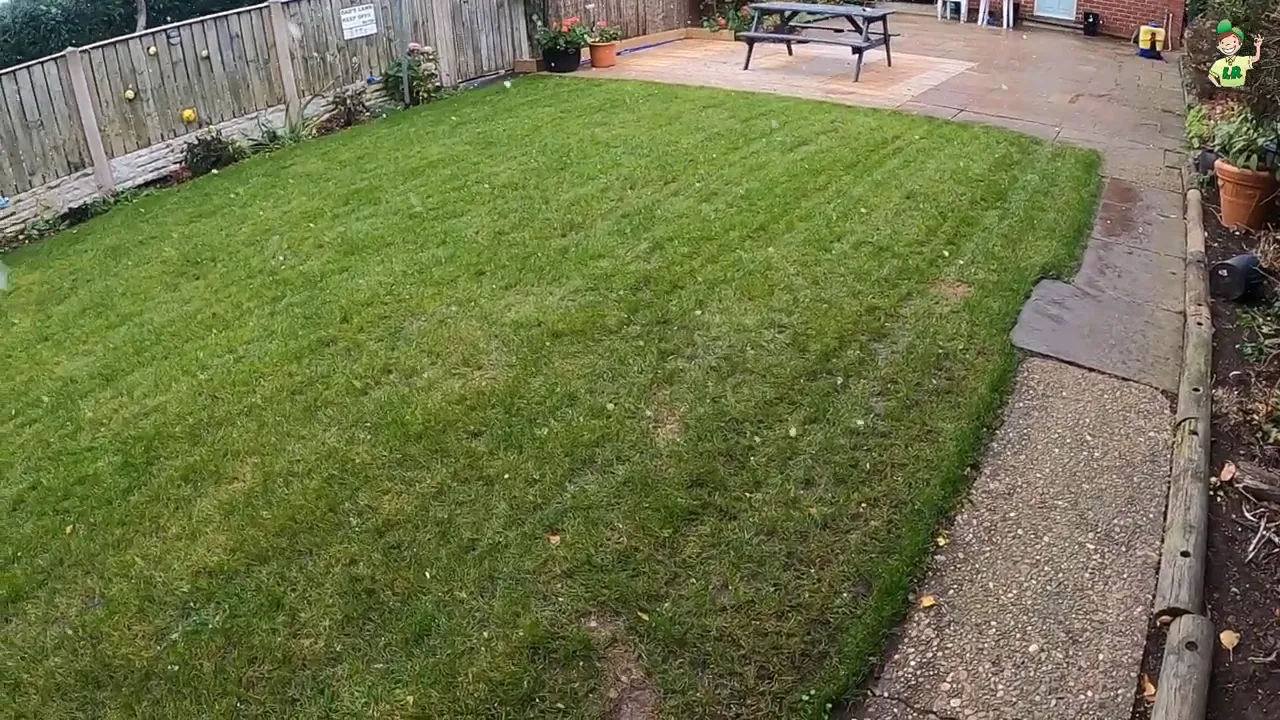
Dog urine damage shows up worse in winter because grass isn’t actively growing to repair itself. Those brown circles will sit there until spring unless you flush the area with water after your dog goes out. It doesn’t fix existing damage, but it prevents new burns. We deal with this constantly in residential neighborhoods around Groton and Lebanon.
Newly renovated areas are vulnerable. If you overseeded or did any renovation work in September or October, those young plants have shallow roots and can’t handle much stress. Keep foot traffic off those spots, and definitely don’t let kids play on them during winter. I’ve seen folks undo an entire fall renovation by not protecting it through the first winter.
Shade problems get worse. Areas under trees, near sheds, or along the north side of your house struggle in winter because they’re getting maybe two hours of weak sunlight. Connecticut’s low winter sun angle makes this even worse. These spots thin out, and by March they’re mostly weeds. Note where your worst shade areas are now so you can plan for shade-tolerant seed mixes come spring.
Compaction from foot traffic. This is huge in our area because people still walk on their lawns in winter—getting firewood, letting dogs out, taking shortcuts to the mailbox. When the ground’s soft or partially frozen, every footstep compacts the soil and damages grass crowns. Those worn paths you see in April started as December foot traffic.
Mistakes Connecticut Homeowners Make Every Winter
I’ve watched hundreds of customers learn these lessons the hard way before they started working with us. Here are the big ones:
Walking on frozen turf. When grass blades are frozen, they’re brittle. Step on them and you’re literally breaking the tissue. Those black footprints you see the next day? That’s dead grass. Avoid walking on your lawn when there’s frost on the ground—especially early morning before the sun hits it.
Trying to fix everything right now. People see bare spots or thin areas in December and want to throw seed down immediately. Don’t. Grass seed won’t germinate in cold soil, and you’re just feeding the birds. Make notes of problem areas, take some photos, and plan your repairs for April when soil temperatures are right for germination.
Ignoring drainage issues. Connecticut’s clay soil doesn’t drain well, and winter makes it obvious. If you’ve got standing water after rain or low spots that stay soggy, those areas will die out over winter. You can’t fix drainage when the ground’s frozen, but you can plan for spring work—maybe some topdressing with compost or, in severe cases, installing drainage.
Stopping all maintenance. Some folks put the mower away on Thanksgiving and don’t touch the lawn until March. That’s a mistake here. You need those two or three light mowings to manage leaves and debris. Total neglect leads to matted grass, disease pressure, and a much harder recovery in spring.
Protecting Your Lawn Through Connecticut’s Unpredictable Winter
The biggest challenge with December lawn care in our area is the weather variability. One week it’s 50 degrees and sunny, the next we’re getting six inches of wet snow. You can’t follow a rigid schedule—you’ve got to stay flexible and take advantage of good weather windows when they show up.
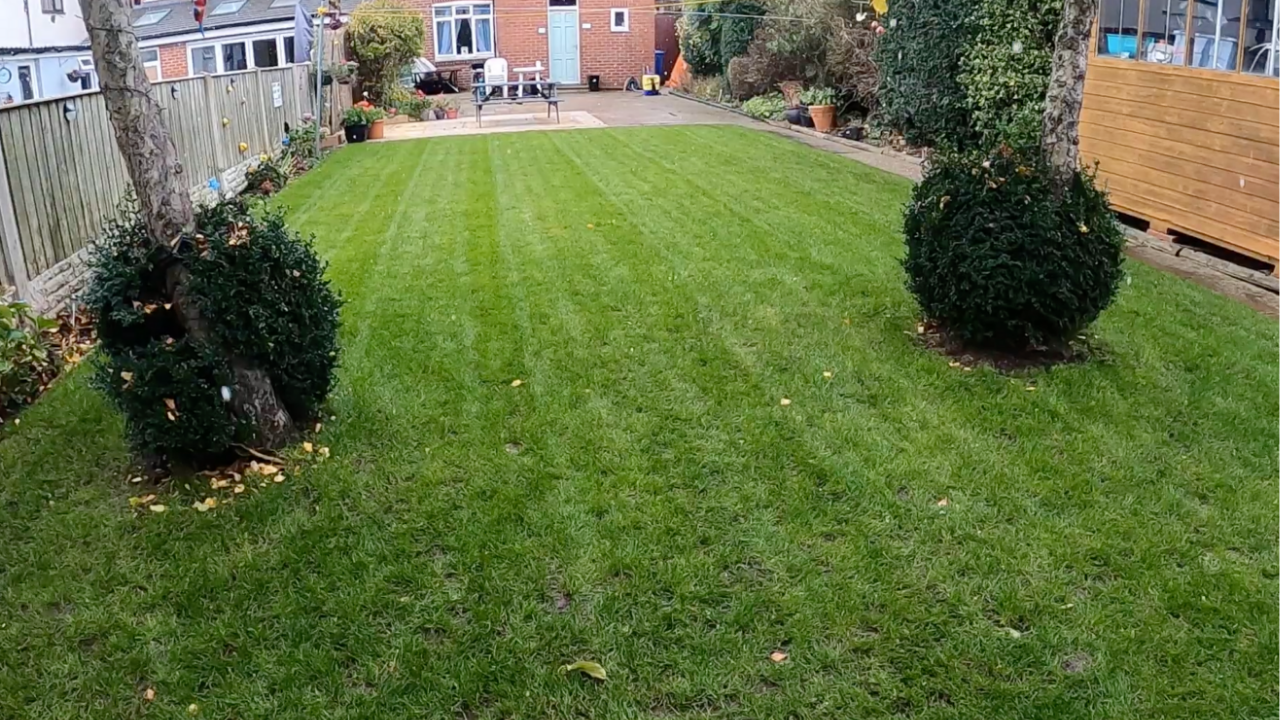
Keep an eye on the forecast. When you see a stretch of dry, mild weather coming, that’s your chance to do a light mowing pass, apply that monthly tonic, or clean up any remaining leaves. Don’t wait for perfect conditions—they don’t exist in Connecticut winters. Good enough is good enough.
Limit heavy use of the lawn as much as possible. I know that’s tough, especially with kids and dogs, but every bit helps. Try to route foot traffic onto pathways or paved areas instead of cutting across the grass. The less stress your turf experiences in winter, the faster it’ll green up come April.
Your December Lawn Care Checklist for Connecticut
Here’s what I recommend to customers across all our service areas—from the coastal towns like Clinton and Old Saybrook to inland communities like Franklin and Lebanon:
- Keep the mower ready for 2-3 light passes through winter on dry, mild days with the deck set high (3 to 3.5 inches).
- Remove leaves promptly after each significant leaf drop—don’t let them sit and mat down.
- Apply an organic tonic once a month during mild weather to support root health and soil biology.
- Avoid foot traffic on frozen or saturated turf—route dogs and family members around the lawn when possible.
- Document problem areas with photos so you can plan spring repairs—note shade issues, compaction, dog spots, and drainage problems.
- Rinse dog urine spots with water when you can to minimize burn damage.
- Don’t seed in December—soil’s too cold for germination, save that work for April.
- Watch the weather forecast and take advantage of good working conditions when they appear.
Planning Now for a Better Spring
December is actually a great time to think about your spring lawn plan. Walk your property on a mild afternoon and really look at what’s going on. Where’s the grass thinnest? Where does water pool? Which areas get hammered by foot traffic? Take notes, snap some pictures with your phone, and start thinking about what needs attention once the weather breaks.
This is also a good time to get a soil test done if you haven’t already. UConn’s soil lab operates year-round, and knowing your pH and nutrient levels now means you can hit the ground running in March with the right amendments. After testing thousands of Connecticut lawns over the years, I can tell you that soil chemistry makes or breaks everything else you do. You can throw all the seed and fertilizer you want at a lawn with a pH of 5.2—it’s not going to thrive.
Let’s Keep Your Connecticut Lawn Healthy This Winter
Look, December lawn care isn’t glamorous work, but these simple tasks—light mowing, leaf removal, monthly organic treatments, and protecting turf from heavy traffic—make all the difference when April rolls around. The lawns that get this basic winter care come out of dormancy faster, with better color and density, and fewer weed problems.
Since 1983, American Landscape & Lawn Science has been helping families across Connecticut keep their lawns healthy through every season. We serve Madison, Clinton, Guilford, Norwich, Groton, Franklin, Lebanon, Essex, Old Saybrook, Mystic, and surrounding communities with science-based lawn care that’s tailored to our local soils and climate. Our 98% retention rate tells you something—when you take care of lawns the right way, people notice the difference.
If you’re tired of guessing at what your lawn needs, or if you just want to hand off the work to someone who knows Connecticut turf inside and out, give us a call. We start every new customer relationship with a UConn soil test so we know exactly what we’re working with. From there, we build a customized program based on your soil chemistry, your grass type, and your specific property conditions.
Ready to give your lawn the winter care it needs? Contact American Landscape & Lawn Science today for a free assessment and soil test.
Call us: (860) 642-9966
Visit: https://lawnscience.com
Serving: Madison, Clinton, Guilford, Norwich, Groton, Franklin, Lebanon, Essex, Old Saybrook, Mystic, and surrounding Connecticut towns
Let’s make sure your lawn makes it through this winter strong and ready for spring.
Follow Us for More Lawn Care Tips
Get FREE Grub Control
when you sign up for our 5-Step Lawn Care Program.
