

What to Do With Your Connecticut Lawn During Winter Dormancy
Hey folks, Steve here from American Landscape & Lawn Science. I came across a helpful video from Budget Lawns recently that talks about winter lawn care for bermudagrass, and while that’s a warm-season grass we don’t deal with much here in Connecticut, the general principles got me thinking about what Connecticut homeowners should actually be doing during our long, cold winters when lawns go dormant.
Video and screenshots are used for commentary and educational purposes. Budget Lawns is not affiliated with or endorsing American Landscape & Lawn Science.
Why Connecticut Winter Lawn Care Is Different
Here in Madison, Norwich, Clinton, and throughout Eastern Connecticut, we’re dealing with cool-season grasses like Kentucky bluegrass, perennial ryegrass, and fine fescues—not warm-season grasses like bermuda. That means our lawns don’t go completely brown and dormant the same way. However, they do slow way down once temperatures consistently drop below 50 degrees, and by the time we hit January and February, growth is pretty much stopped.
The thing is, even though our grass doesn’t turn completely brown like bermuda does down south, Connecticut winters are still tough on lawns. We get heavy snow loads, ice, freeze-thaw cycles that heave the soil, and all that salt and sand from plows and sidewalk treatments. After 40-plus years taking care of lawns in this region, I’ve learned that a little winter maintenance goes a long way toward preventing spring problems.
Understanding Dormancy in Cool-Season Grasses
When people talk about “dormant” grass, they usually mean warm-season grasses that turn brown and completely shut down for winter. Our cool-season grasses in Connecticut don’t do that exactly—they just slow their growth to a crawl. You might still see some green, especially during mild spells, but the grass isn’t actively growing or repairing itself much.
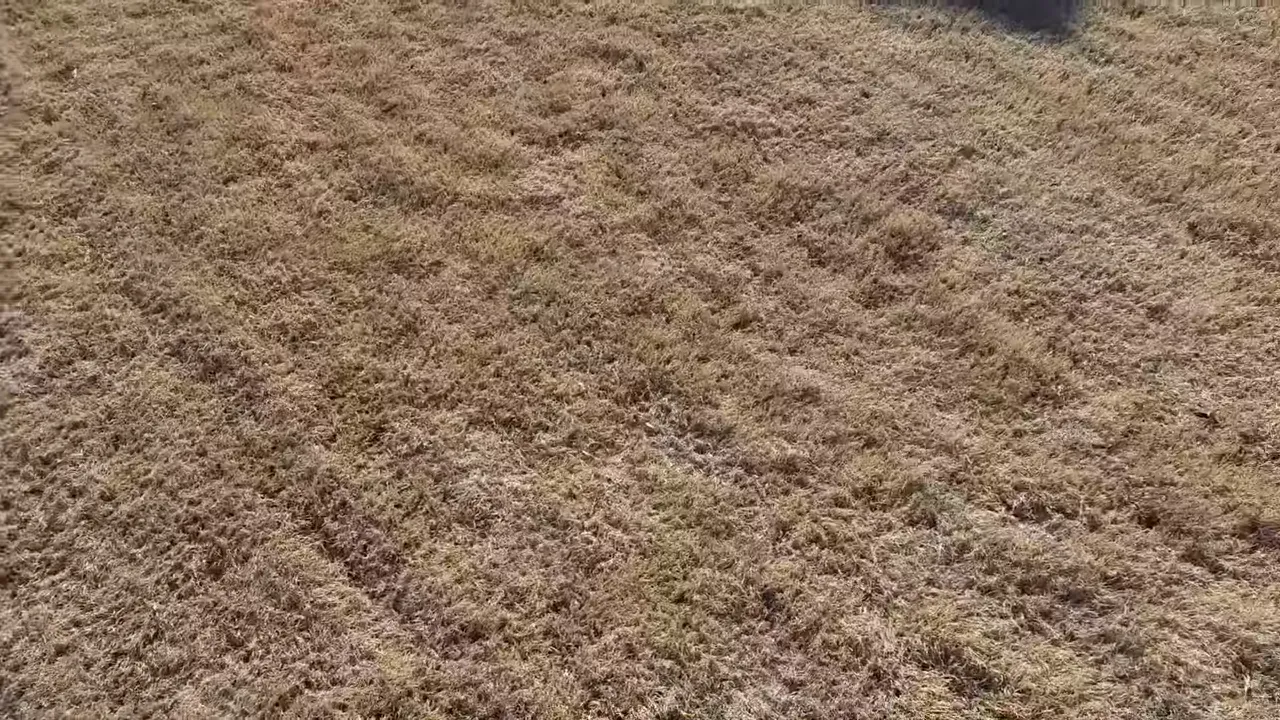
This dormancy period is actually the grass protecting itself from the cold. The plant stores energy in its roots and crown, waiting for spring warmth to trigger new growth. The problem comes when we add stress on top of that—compaction from foot traffic, suffocation from matted leaves, salt damage, or disease pressure from wet conditions.
Late Fall Cleanup: Get Those Leaves Up
One of the biggest mistakes I see around Guilford, Groton, and Old Saybrook is homeowners leaving thick layers of leaves on the lawn all winter. I get it—it’s cold, it’s getting dark early, and nobody wants to be outside raking in November. But those leaves don’t just sit there harmlessly.
When leaves get wet and matted down, especially under snow, they create an anaerobic environment that can suffocate grass crowns and encourage disease like snow mold. Come spring, you’ll have dead patches where those leaf piles sat all winter.
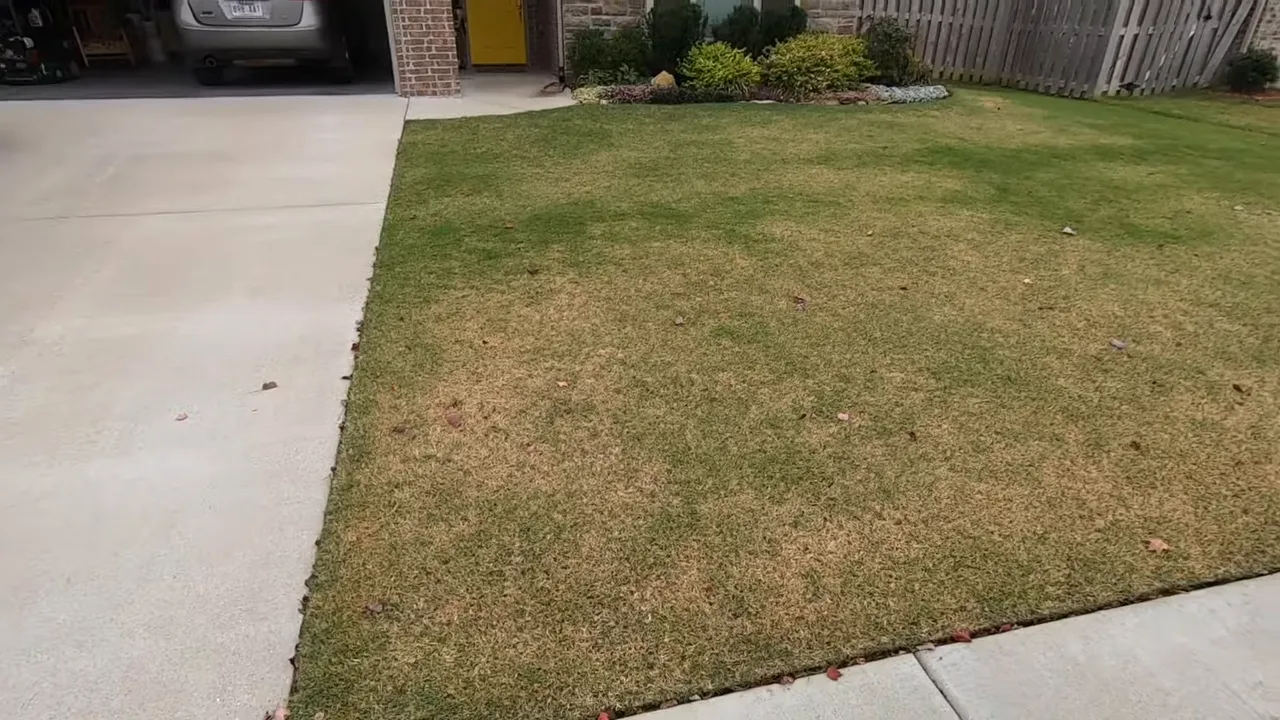
The easiest way to handle this? Mulch them with your mower. Before the first heavy snow, run your rotary mower over the lawn with the mulching blade engaged. If you’ve got a heavy leaf load, you might need to make a few passes. The goal is to chop those leaves into small pieces that can decompose over winter without smothering the grass. If the leaf layer is really thick, bag them up instead—your garden beds will thank you for the mulch.
Should You Mow Your Connecticut Lawn in Winter?
This one surprises people. No, you shouldn’t be mowing regularly once the grass stops growing. But if we get a warm spell in November or early December and the grass is still growing a bit, one final trim isn’t a bad idea. Just don’t cut it too short—leave it at about 2.5 to 3 inches going into winter.
The reason? Grass that’s too long can mat down under snow and develop disease issues. Grass that’s scalped too short going into winter doesn’t have enough leaf tissue to photosynthesize during those brief sunny winter days, and the crowns are more exposed to freeze damage.
After working with over 8,000 customers across Eastern Connecticut, I’ve found that a final mow at normal height in late fall, followed by good leaf cleanup, sets lawns up for the best spring recovery.
Winter Pre-Emergent Application
Now, Budget Lawns talks about putting down a winter pre-emergent in January for bermuda lawns, and that timing doesn’t quite work the same way here in Connecticut. Our pre-emergent strategy is different because we’re targeting different weeds at different times.
Most Connecticut homeowners should focus on their fall pre-emergent application—that’s what prevents winter annual weeds and gets a head start on crabgrass prevention. If you missed that window in September or October, don’t panic. You’ll just need to be more aggressive with your spring pre-emergent timing, usually late March or early April when soil temperatures hit 50-55 degrees.
The key with winter applications is you need the product watered in, and you definitely don’t want to be dragging hoses around in January when it’s 20 degrees outside. If you’re applying anything in winter, time it with rain or snowmelt in the forecast.
Common Winter Lawn Mistakes I See in Connecticut
After four decades in this business serving Madison, Norwich, Essex, Franklin, and the surrounding towns, I’ve seen the same winter mistakes play out over and over:
Piling snow directly on the lawn. I know you’ve got to put it somewhere when you’re shoveling, but try to spread it out somewhat evenly. Those massive piles that sit in one spot for weeks create dead zones from compaction and ice damage.
Walking on frozen grass. When turf is frozen solid, the grass blades are brittle. Traffic on frozen lawns breaks blades and damages crowns. If you’ve got a path you need to use regularly, put down stepping stones or a proper walkway rather than wearing a trail through frozen turf.
Ignoring drainage problems. Winter is when drainage issues really show themselves. If you’ve got standing water or ice buildup in low spots, that’s killing grass roots even while the lawn is dormant. Make a note of those areas and plan to address grading or drainage in spring.
Forgetting about dog waste. This one’s not glamorous, but it matters. Dog urine and waste left on dormant grass all winter will leave you with burned-out dead spots come spring. Do a quick cleanup every couple weeks—it’s way easier than trying to repair those spots later.
What Your Connecticut Lawn Needs This Winter
Here’s a simple checklist for winter lawn care in our region:
- Late fall/early winter: Complete final leaf cleanup by mulching or removing leaves before first heavy snow
- Before dormancy sets in: One last mow at normal height (2.5-3 inches) if grass is still growing
- Throughout winter: Keep heavy snow piles spread out rather than concentrated in one area
- All season: Avoid traffic on frozen turf whenever possible
- Every few weeks: Pick up dog waste to prevent spring burn spots
- Late winter: Note any drainage, compaction, or bare spot issues for spring repair
- Early spring: Apply pre-emergent when soil temps reach 50-55°F (late March/early April)
Don’t Panic About How Your Lawn Looks
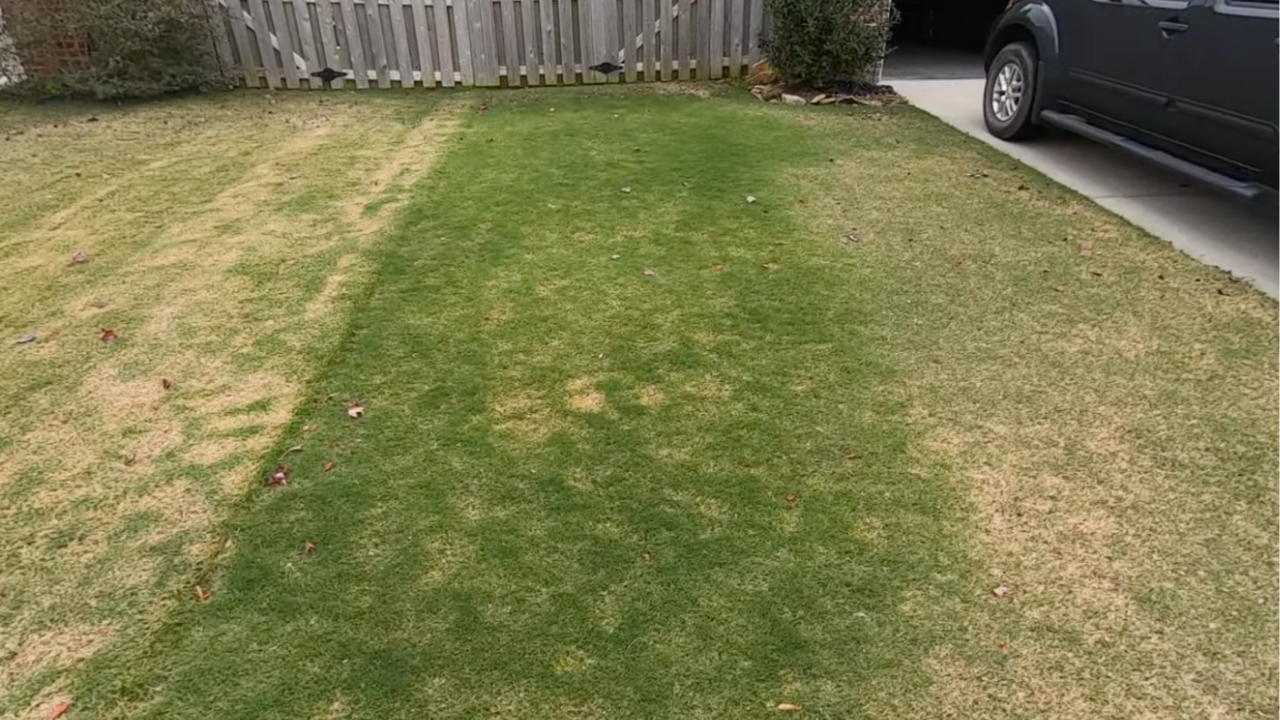
One thing Budget Lawns mentioned that really resonates—don’t freak out about how your lawn looks in winter. Connecticut lawns go through a lot between December and March. They might look thin, brown in spots, matted down after heavy snow, or just generally rough.
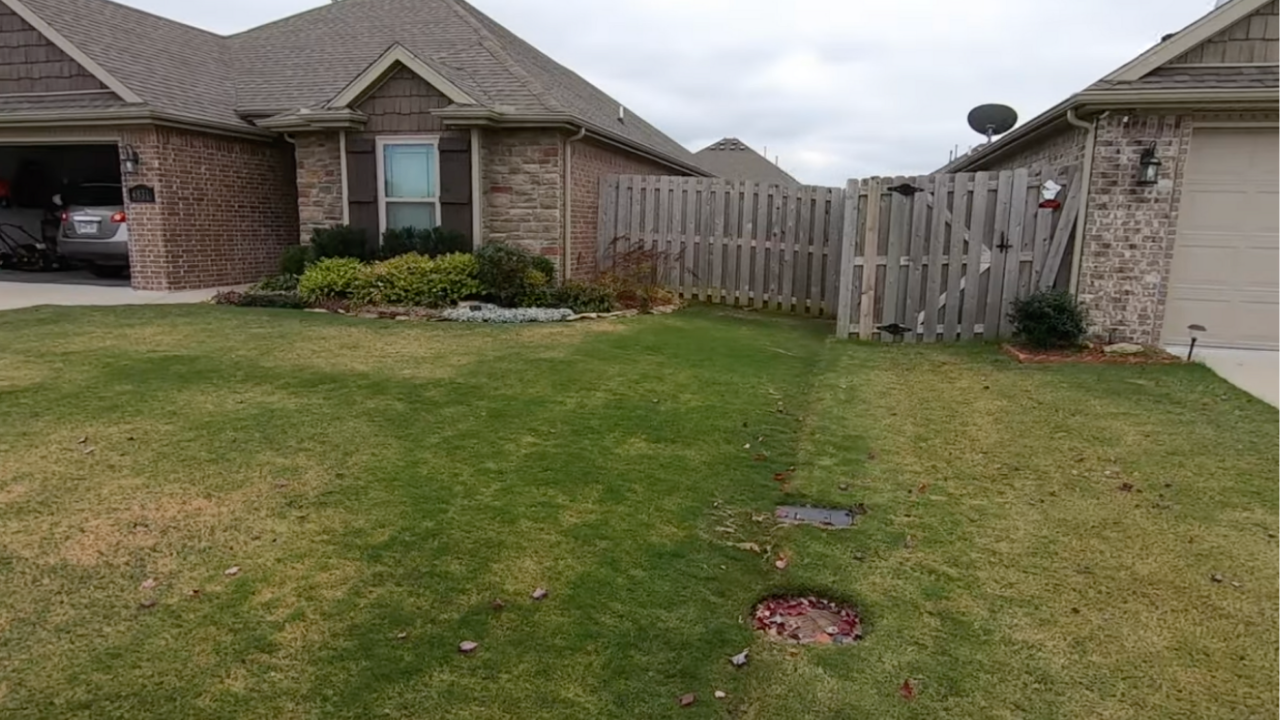
That’s normal. With our 96% customer retention rate since 1983, I can tell you that Connecticut lawns bounce back remarkably well once spring temperatures arrive and we get back to proper mowing, watering, and fertilizing. The lawns that look terrible in February are often the ones that look fantastic by June—as long as you didn’t add unnecessary stress during winter dormancy.
Get Your Connecticut Lawn Ready for Spring
Winter lawn care in Connecticut isn’t about doing a lot—it’s about avoiding the mistakes that create spring problems. A good late-season leaf cleanup, sensible snow management, and keeping traffic off frozen grass will set you up for success when growing season returns.
If you’re dealing with winter damage, drainage issues, or just want to make sure your lawn gets off to a strong start this spring, American Landscape & Lawn Science is here to help. We’ve been taking care of properties in Madison, Norwich, Clinton, Guilford, Groton, Franklin, Lebanon, Essex, Old Saybrook, and Mystic since 1983.
Give us a call at (860) 642-9966 or visit www.lawnscience.com to schedule a free lawn assessment. Let’s make sure your Connecticut lawn comes through winter strong and ready for another great growing season.
Follow Us for More Lawn Care Tips
Get FREE Grub Control
when you sign up for our 5-Step Lawn Care Program.
