

Winter Lawn Maintenance in Connecticut: What Works in Our Climate
Hey folks, Steve here from American Landscape & Lawn Science. I came across a solid video from Solutions Pest & Lawn about winter lawn maintenance that covers a lot of good ground, but here in Connecticut we’re dealing with conditions that need a different approach. Between our freeze-thaw cycles, heavy clay soils, and unpredictable weather patterns from the coast to inland areas, generic winter advice just doesn’t cut it. After 40 years working with lawns across Madison, Norwich, Guilford, Groton, and everywhere in between, I’ve learned what actually protects Connecticut turf through the cold months.
Video and screenshots are used for commentary and educational purposes. Solutions Pest & Lawn is not affiliated with or endorsing American Landscape & Lawn Science.
Why Connecticut Winter Lawn Care Requires a Local Strategy
The biggest difference between Connecticut and other regions is our weather volatility. One week we’re hitting 55 degrees and grass is actively growing, the next week it’s 15 degrees with six inches of snow. That puts stress on turf that lawns in more stable climates don’t experience. Our coastal areas from Old Saybrook to Mystic deal with salt spray and milder temperatures, while inland towns like Lebanon and Franklin see harder freezes and heavier snow loads.
The clay soils we deal with across most of our service territory don’t drain like the sandy soils down south or out west. That means moisture sits on the surface longer, disease pressure stays higher, and our timing for treatments has to be more precise. After working with over 3,000 Connecticut families, I’ve seen what happens when people try to follow generic advice—they end up with more problems than they started with. Our lawn care programs are built around UConn soil testing and Connecticut-specific conditions because that’s the only way to get consistent results.
Winter Cleanup: More Critical Here Than You Think
The video talks about basic cleanup, and that’s important everywhere, but in Connecticut it’s absolutely critical. Our oak and maple trees drop leaves well into November and December, and those leaves mat down fast when we get our typical fall rains. Once snow hits, that matted leaf layer creates a perfect environment for snow mold and other fungal diseases.
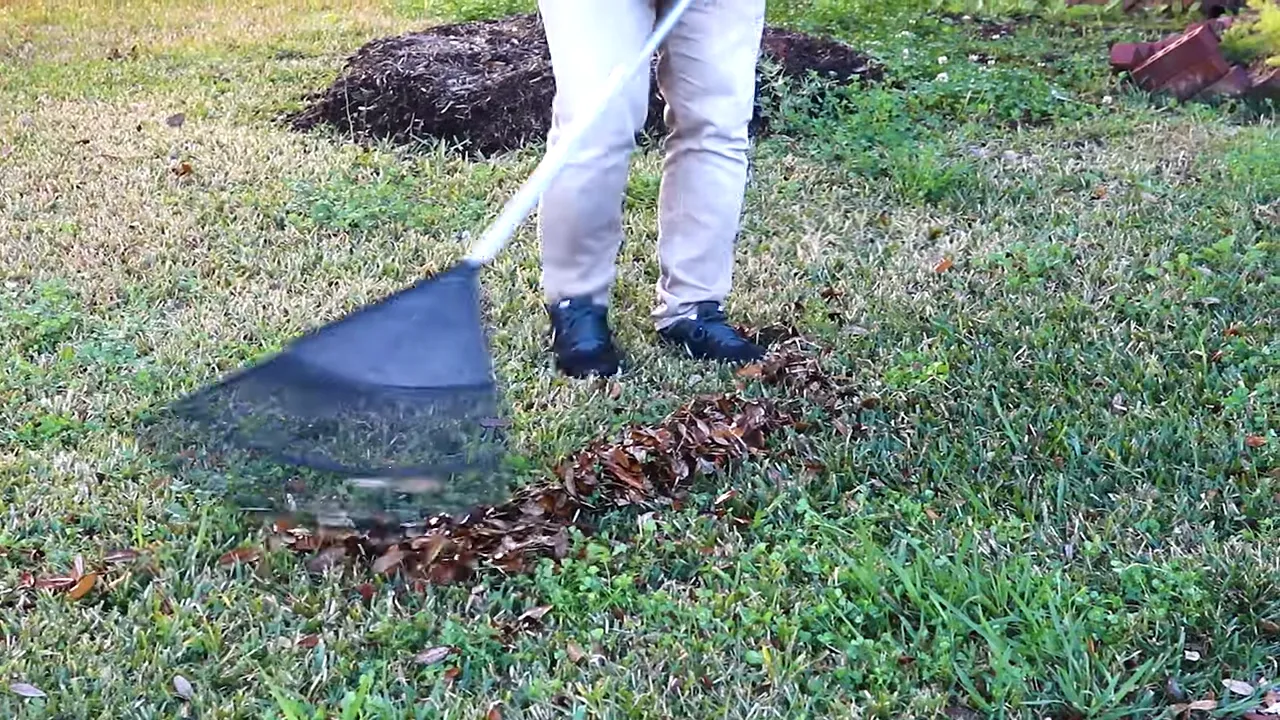
I tell customers in Clinton and Guilford—where we’ve got neighborhoods full of mature trees—that you’re not done cleaning up leaves until the first hard freeze. Keep raking or use the mower to mulch and collect leaves every week if you have to. Don’t let them pile up in corners or against fences. Those piles trap moisture, block air circulation, and create dead zones come spring.
Dethatching is another thing that matters more here because our cool-season grasses build thatch faster than warm-season varieties. If you’ve got more than half an inch of thatch, get it out before winter sets in. That layer holds water against the crown, which invites disease when temperatures bounce around like they do here.
Pre-Emergent Timing in Connecticut: Watch Soil Temperature, Not the Calendar
The video recommends pre-emergent herbicide application between September and November when soil temps are 50 to 70 degrees. That window works in theory, but in Connecticut you’ve got to be more flexible. Our soil temperatures can still be in the mid-60s well into November some years, especially in coastal areas around Madison and Essex where the Sound moderates temperatures.
I’ve been using pre-emergents on Connecticut lawns since the 1980s, and the key is monitoring actual soil temperature at your property, not following a calendar date. Get yourself a soil thermometer and check it at 2-inch depth. When you’re consistently reading 55 to 60 degrees in mid-morning, that’s your window. For most of our service areas, that’s late October through mid-November, but it varies by 10 to 14 days depending on whether you’re inland or coastal.
Products with pendimethalin or dithiopyr work well for our region. Application rates of 1.5 to 4 pounds per thousand square feet are standard, but here’s where UConn soil testing comes into play—if your soil is compacted clay with poor drainage, you might need to adjust rates or split applications to get good coverage without runoff. We always test first so we know what we’re working with.
One more thing: don’t bother with pre-emergent if you overseeded in September. It’ll stop your grass seed from germinating just as effectively as it stops weeds. Better to skip the fall pre-emergent and plan for an early spring application instead if you did renovation work.
Post-Emergent Herbicides: Connecticut Weeds Need Different Strategies
The weeds we deal with in Connecticut are different from what you’ll see in warmer climates. Chickweed, henbit, and purple deadnettle love our cool, moist conditions. They germinate in fall and stay green all winter if temperatures don’t drop hard enough. By the time spring rolls around, they’ve already established root systems and they’re harder to kill.
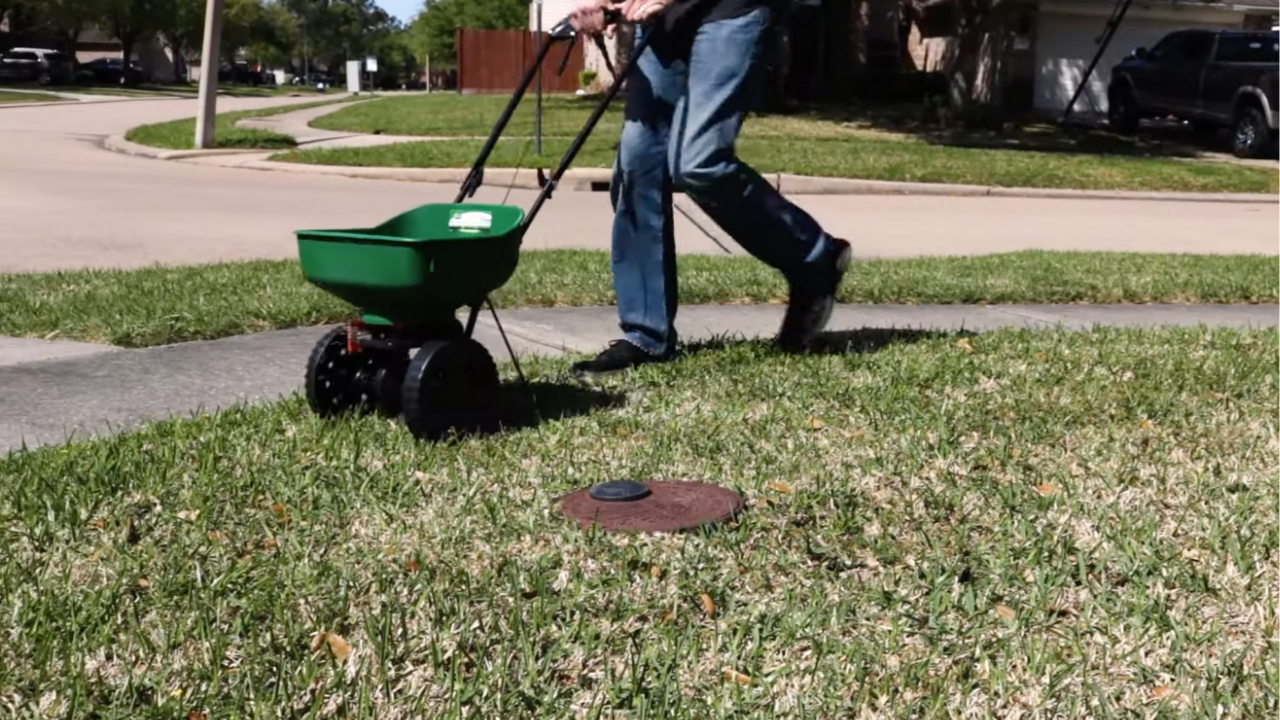
Products like 2,4-D Amine work fine for broadleaf weeds, and the rates mentioned in the video—0.72 to 1.1 fluid ounces per thousand square feet—are in the right ballpark. But timing is everything. You need to hit these weeds on a day when temperatures are above 50 degrees and the plants are actively growing. In Norwich and Groton where we get colder stretches, that might only give you a couple good application windows between October and November.
For spot treating, I mix it in a pump sprayer just like the video shows—half fill with water, add the measured herbicide, top off to a gallon, shake it up. Hit the weeds directly and avoid spraying when wind picks up. Our November winds coming off Long Island Sound can carry spray drift farther than you’d think.
For hardscapes and gravel areas, glyphosate works, but be careful around ornamentals. I’ve seen folks spray driveways in Franklin and Lebanon and accidentally drift onto shrubs because they didn’t account for our gusty fall conditions. Wait for a calm day, use a shield if you’re spraying near plants you want to keep, and don’t rush it.
The Fertilizer Debate: What Connecticut Lawns Actually Need
Here’s where I disagree with some of the generic advice out there. The video says to skip winter fertilizer and only go low-nitrogen if you do apply anything. That’s solid advice for most places, but Connecticut’s a different story. Our cool-season grasses—mostly perennial ryegrass, Kentucky bluegrass, and fine fescue blends—actually benefit from a late fall feeding if it’s done right and timed correctly.
The key is doing it in November before the ground freezes, not in December or January. A balanced fertilizer—not super high in nitrogen, but not totally devoid of it either—gives the grass carbohydrates to store in the roots over winter. That stored energy is what powers early spring green-up. With our 98% customer retention rate, I’ve been able to track lawns for decades, and the ones that get a proper late-fall feeding consistently perform better in March and April.
Now, if your soil hasn’t been tested and you don’t know what your pH and nutrient levels look like, don’t just throw fertilizer down and hope for the best. Our clay soils around Madison, Clinton, and Mystic already tend to hold nutrients poorly, and if your pH is off—which it usually is without lime corrections—you’re wasting money. That’s why every new customer we take on starts with a UConn soil test. It costs less than a tank of gas and tells you exactly what your lawn needs.
Fungicide Application: Preventing Snow Mold and Other Connecticut Winter Diseases
Snow mold is a huge issue in Connecticut, especially in areas that get heavy snow cover for extended periods. Inland towns like Lebanon and Franklin can be under snow from December through February some years, and that creates perfect conditions for both gray and pink snow mold. The video’s advice about preventative fungicide is spot-on, but the timing and product choice matters more here.
A systemic fungicide applied in late November—right before that first significant snowfall—is your best defense. The rate of 2 fluid ounces per gallon of water per thousand square feet is a good starting point, but you need to make sure you’re using a product that’s labeled for snow mold specifically. Not all fungicides target the same pathogens.
I use a hose-end sprayer for larger properties and a pump sprayer for smaller yards or spot treatments. The key is getting even coverage and applying when temperatures are still above freezing so the product can move into the soil profile. Once the ground’s frozen, you’ve missed your window.
Another disease we see a lot in our service areas is dollar spot, which can overwinter and flare up in early spring if conditions are right. If you had dollar spot issues during the summer, that late-fall fungicide application is even more important because you’re trying to knock down inoculum that’s sitting in the thatch layer waiting for spring.
Common Mistakes Connecticut Homeowners Make With Winter Lawn Care
I’ve been doing this work across Connecticut for four decades, and I see the same mistakes over and over. Here’s what trips people up:
Applying products on frozen ground. You can’t get herbicides or fungicides to work properly when soil temps are below 40 degrees and the ground’s frozen. I’ve seen this hundreds of times—folks buy a pre-emergent in December because it’s on sale, spread it on frozen turf, and then wonder why they have crabgrass everywhere come June. Products need soil contact and some level of soil activity to work. Wait for a thaw if you missed your window.
Over-fertilizing because they think more is better. Especially in areas like Groton and Norwich where we get heavy snow, people panic and dump fertilizer thinking it’ll help the grass survive. All it does is create weak, lush growth that’s more susceptible to disease and winter injury. Less is more with winter fertility—focus on building roots, not pushing top growth.
Ignoring drainage problems until spring. Connecticut’s clay soils don’t drain well naturally, and winter makes it obvious. Low spots that hold water turn into ice patches, and grass smothers underneath. I’ve seen entire sections of lawns in Madison and Clinton lost because people ignored standing water issues in fall and winter. You can’t fix drainage when the ground’s frozen, but you can at least note where the problems are so you can address them in April.
Using products not labeled for their grass type. We’re mostly dealing with cool-season grasses in Connecticut—bluegrass, ryegrass, fescue. Some post-emergent herbicides will damage these grasses if you use the wrong formulation or apply at the wrong rate. Always read the label and make sure the product is safe for your specific turf type.
Skipping the cleanup and going straight to chemicals. No amount of herbicide or fungicide will save a lawn that’s buried under matted leaves and thatch. You’ve got to do the basic cultural work first—raking, dethatching, removing debris. I’ve seen people spend hundreds of dollars on products and get zero results because the turf was already stressed from poor maintenance.
Your Connecticut Winter Lawn Maintenance Checklist
Here’s what I recommend to customers across all our service areas from the shoreline to inland Connecticut:
- Complete final cleanup by mid-November—rake all remaining leaves, remove sticks and debris, dethatch if needed. Don’t leave anything sitting on the turf going into winter.
- Apply pre-emergent when soil temperature hits 55-60°F—usually late October through mid-November depending on location. Use pendimethalin or dithiopyr at 1.5 to 4 pounds per thousand square feet. Skip if you overseeded in fall.
- Spot-treat existing weeds on mild days above 50°F—use 2,4-D Amine at 0.72 to 1.1 fluid ounces per thousand square feet. Wait for calm conditions to avoid drift.
- Apply late-fall fertilizer in November before ground freeze—use a balanced product based on soil test results. Don’t skip the soil test—it matters more than the fertilizer itself.
- Make preventative fungicide application before first snow—use 2 fluid ounces per gallon of water per thousand square feet with a product labeled for snow mold. Apply when temperatures are still above freezing.
- Monitor problem areas and document for spring repair—take photos of drainage issues, thin spots, disease areas so you know what needs attention once the weather breaks.
- Keep foot traffic off turf when frozen or saturated—every footstep on frozen grass breaks tissue and creates damage that shows up in spring.
Why Connecticut Lawns Need Science-Based Winter Care
Look, you can follow generic advice and hope for the best, or you can work with someone who understands Connecticut’s specific conditions. Our clay soils, freeze-thaw cycles, variable snow cover, and coastal influences mean that cookie-cutter programs don’t work. Every property is different, and that’s why we start with UConn soil testing before we recommend any treatments.
The lawns that come through winter in the best shape are the ones that get targeted, science-based care. Not too much fertilizer, not too little. Fungicide applied at the right time with the right product. Pre-emergent timed to actual soil temperature, not some date on a calendar. That’s how we’ve maintained a 98% customer retention rate—we pay attention to details that actually matter.
Let’s Protect Your Lawn This Winter
Winter lawn maintenance in Connecticut isn’t about doing a bunch of work just to stay busy. It’s about making strategic moves that prevent problems and set your lawn up for a strong spring recovery. The families I work with across Madison, Clinton, Guilford, Norwich, Groton, Franklin, Lebanon, Essex, Old Saybrook, and Mystic have learned that a little targeted work in November and December saves a ton of headaches in April and May.
Since 1983, American Landscape & Lawn Science has been helping Connecticut homeowners keep their lawns healthy through every season. We’re not out here selling products—we’re solving problems using science-based approaches that work in our specific climate and soil conditions. Every customer relationship starts with a UConn soil test because you can’t fix what you don’t understand. From there, we build a customized program based on your soil chemistry, your grass type, and your property’s unique challenges.
If you’re tired of watching your lawn struggle through winter, or if you just want to hand this work off to someone who knows Connecticut turf inside and out, give us a call. We’ll come out, test your soil, walk your property, and put together a winter maintenance plan that actually makes sense for your specific situation.
Ready to protect your lawn through winter and set it up for a strong spring? Contact American Landscape & Lawn Science today for a free property assessment and UConn soil test.
Call us: (860) 642-9966
Visit: https://lawnscience.com
Serving: Madison, Clinton, Guilford, Norwich, Groton, Franklin, Lebanon, Essex, Old Saybrook, Mystic, and surrounding Connecticut communities
Let’s make sure your lawn survives this winter and thrives next spring.
Follow Us for More Lawn Care Tips
Get FREE Grub Control
when you sign up for our 5-Step Lawn Care Program.
